Trump DOJ Probe: What Is Known About the Order
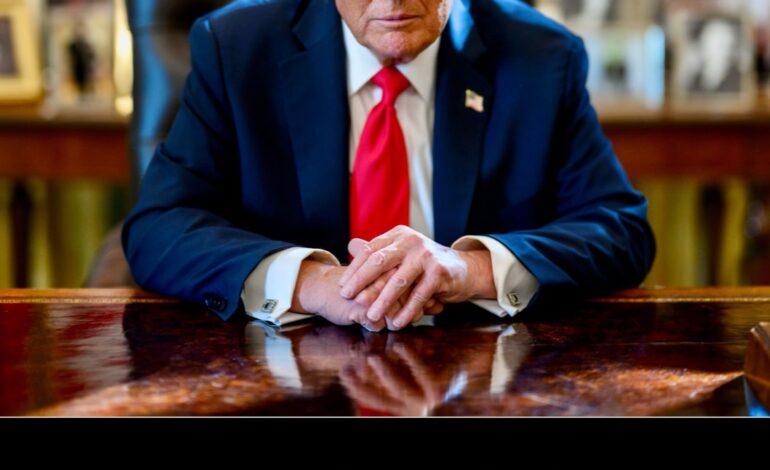

Trump DOJ probe coverage shows the central development clearly. The distinction between an instruction to examine an allegation and an opened criminal investigation is central to this story. The reporting describes Trump’s direction to the Justice Department, but does not say that prosecutors had announced a formal case. A careful account therefore needs to describe the order in the terms used by the sources and leave the department’s next steps unresolved.
Trump DOJ probe: the reported facts
President Donald Trump said in a social-media post on Nov. 7 that he was directing the Justice Department to examine what he described as Democratic threats involving impeachment and other penalties. Trump characterized the alleged conduct as extortion and a criminal act; those descriptions were his assertions, not a court finding.
Context around Trump DOJ probe
Trump’s description of the alleged conduct as extortion or a criminal act is his characterization. Reuters noted that he did not provide evidence in the post. That does not settle what the department might review, but it does mean the article should not present the allegation as an established crime or a legal finding.
The public statement concerns impeachment threats, investigations and other possible penalties directed at officials and donors. The news accounts do not identify particular communications that would support a criminal conclusion. The people and conduct under review, if any, remain unspecified in the reporting examined for this story.
The timing connects the dispute to a new Congress that is expected to be controlled by Democrats in both chambers. The incoming House majority has described oversight priorities of its own. Those are two distinct actions: an executive branch direction for DOJ to look into an allegation and a legislative branch plan to investigate administration conduct.
Trump’s post did not identify specific communications or provide evidence of a crime, according to Reuters. CBS reported that Trump accused Democrats of threatening Attorney General Todd Blanche and Republican donors with impeachment or punishment.
The public statements came after Democrats won control of both chambers in the Nov. 3 midterm elections, with the new Congress scheduled to convene in January. Reuters and CBS described Trump’s action as an order to the Justice Department to look into the matter, rather than reporting that a formal criminal investigation had already opened.
House Democrats are preparing an oversight agenda involving the Trump family’s business dealings, corporate corruption, the Department of Homeland Security and Immigration and Customs Enforcement, and the Jeffrey Epstein investigation. Rep. Robert Garcia, expected to chair the House Oversight Committee in the next Congress, said Democrats would investigate alleged abuses by administration officials.
The expected Democratic oversight agenda is congressional work that would begin after the new Congress convenes; it is distinct from Trump’s request for the Justice Department to examine Democratic statements.
What the reporting does and does not establish
Rep. Robert Garcia, who is expected to lead the House Oversight Committee, has described a set of subjects the committee intends to examine. That agenda includes the Trump family’s business dealings, corporate corruption, the Department of Homeland Security, immigration enforcement and the Jeffrey Epstein investigation. These are planned topics, not findings reached by a committee.
That distinction matters because campaign-era statements can become headlines before any formal process is underway. The factsheet records what Trump said, what the reporting says was not established, and what incoming lawmakers say they plan to do. It does not assign motives to either side or predict what a department inquiry or congressional review might conclude.
What happens next
The next information that would clarify the story would be an official description from the Justice Department of whether it opened a matter, who or what it is examining, and the legal basis it is considering. Until then, the scope remains an open question. The available evidence supports reporting the public direction and the competing oversight plans, not a claim that prosecution is imminent.
The phrase used by Trump describes what he wanted the department to do; it is not a public announcement from the department that it accepted the request or opened a case. That distinction is especially important in a story where the statement itself characterizes political activity as potentially criminal. The source record supports reporting the president’s direction and his allegation, while keeping the status of any DOJ action unsettled.
The reporting also places the dispute alongside incoming congressional oversight. Democrats have said they intend to investigate actions by the administration, and Trump’s post objects to threats of impeachment and other penalties. A reader can see the opposing plans in the record without assuming that one makes the other unlawful. The sources identify the claims each side made; they do not supply a court ruling on the conflict.
Several specific questions remain unanswered in the coverage: whether the department opened a matter, who it would examine, and what conduct it would review. The lack of those details means the article cannot identify an investigation target or describe an expected outcome. The available reporting is about a public direction and a political dispute, not a completed prosecutorial decision.
The distinction between an allegation and evidence is not a technicality in this case. Reuters explicitly noted that Trump’s post offered no evidence for its criminal characterization. The sources also do not report charges against lawmakers in connection with the statement. A careful account can explain why the announcement drew attention while avoiding the implication that anyone has been found to have committed a crime.
The broader oversight agenda is itself prospective. Garcia’s planned work would begin with the new House majority, whereas Trump’s post called for the Justice Department to look into statements by Democrats. Neither process has a reported final result. The two tracks should be described as intentions and directions until officials provide details or a formal action becomes public.
Sources
Byline: MatterDigest Editorial Team
Last updated:
Correction note: We correct factual errors transparently and update this article when verified information changes.
Discover more from MatterDigest
Subscribe to get the latest posts sent to your email.