Crystalyne Curley Leads Unofficial Navajo Vote
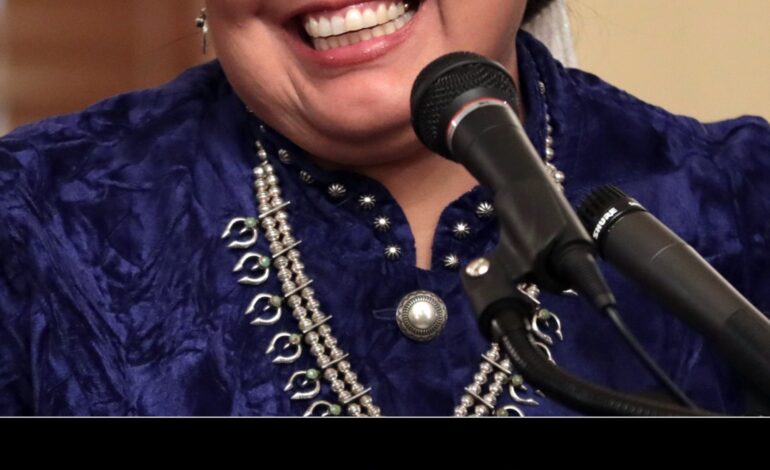

Crystalyne Curley coverage shows the central development clearly. Unofficial Navajo Nation election results showed Crystalyne Curley and running mate Chris Deschene ahead in the race for president and vice president. Navajo Times reported 32,094 votes for the ticket, compared with 30,979 for Justin Jones and Emily Ellison. Because the result was still unofficial and Jones said he planned to challenge it, the account should describe a lead rather than a certified final outcome.
Crystalyne Curley: the reported facts
Unofficial results from the Nov. 3 Navajo Nation election showed Council Speaker Crystalyne Curley and running mate Chris Deschene winning the president and vice president race. Curley is set to become the first woman elected president of the Navajo Nation.
Navajo Times reported the ticket received 32,094 votes, compared with 30,979 for Justin Jones and Emily Ellison, based on unofficial results. Curley was the speaker of the Navajo Nation Council before the election.
Context around Crystalyne Curley
If confirmed, Curley would become the first woman elected to the Navajo Nation presidency. The result marks a milestone in tribal politics, but the election process was still underway in the sources reviewed. Navajo Times reported that votes from 110 chapters were included in the unofficial count and that some chapter returns were still awaited on election night.
Curley’s path to the office included earlier public roles within the Navajo Nation. Navajo Times reported that she served as Miss Navajo Nation from 2011 to 2012, worked in public-information positions in tribal government, and won a seat on the Navajo Nation Council in 2022. In January 2023, council delegates selected her as speaker, and she was in her second term in that role.
The campaign’s result was not only about the presidency. Curley ran with Deschene for the president and vice president offices. The two candidates appeared together at an election-night gathering, while supporters waited for results from the remaining chapters. Navajo Times described the scene and the still-developing count, and later outlets continued to qualify the totals as unofficial.
The Navajo Nation Election Administration had not certified the results in the reports reviewed. Jones said he would not concede and planned to challenge the vote count, according to ICT and KJZZ.
AP reported Curley previously led the Navajo Nation Council as its first female speaker. Curley told AP she faced sexist rhetoric during the campaign and expected to be held to a higher standard as the first woman president.
Navajo Times reported the election outcome was based on unofficial results released by the Navajo Election Administration. The result was not a certified final outcome at the time of the reporting; the possible challenge meant the count remained subject to the tribe’s election process.
The unofficial result counted votes from 110 Navajo Nation chapters and showed Curley and Deschene ahead of Jones and Ellison by 1,115 votes. At about 9:25 p.m. on election night, supporters were still waiting for results from the final eight chapters, Navajo Times reported.
Curley served as Miss Navajo Nation from 2011 to 2012, worked in public-information roles in tribal government and joined the Navajo Nation Council in 2022, according to Navajo Times. Council delegates selected Curley as speaker in January 2023, and she was serving a second term in the position when she ran for president.
Curley said she faced sexist rhetoric during the campaign and expected to be held to a higher standard, AP reported.
What the reporting does and does not establish
Jones’ response is part of the current status of the race. KJZZ and ICT reported that he would not concede and planned to contest the count or seek a recount. That challenge does not establish that the count is wrong; it means the result may face additional review under the tribe’s election process.
AP reported that Curley had earlier become the first woman to lead the Navajo Nation Council as speaker. It also reported her account that she encountered sexist rhetoric during the campaign and expected to face a higher standard as the first woman president. Those are statements attributed to Curley and form part of the context around her historic candidacy.
What happens next
The reporting does not describe the final certification or the outcome of any recount request. Until those steps are resolved, the responsible wording is that unofficial results show Curley and Deschene ahead. The vote totals and the potential challenge should both be included so that readers understand what is known and what remains unsettled.
The office and the election are specific to the Navajo Nation. This article refers to the tribe’s own presidential election and its reported results, rather than treating it as a state or federal race. The distinction matters because the counts, officials and certification process described by the sources belong to the Navajo Nation’s election administration.
The election story has two elements that belong together: the historic result and the uncertainty around certification. Unofficial figures placed Curley and Deschene ahead, and the margin reported by Navajo Times was 1,115 votes. Jones said he would challenge the count. Reporting both facts avoids presenting an unofficial result as final while also acknowledging the lead shown by the published totals.
The candidate’s prior positions help explain the meaning of the result without deciding what happens next. Curley had served on the council and as its speaker before running for president. AP described her as the first woman to lead the legislative branch. The presidential result would extend that history to the tribe’s top executive office if the unofficial result is certified.
The count included returns from 110 chapters, and Navajo Times described waiting for the final eight chapter results on election night. That snapshot explains why the initial result remained unofficial. Later reporting continued to describe a potential recount or challenge, so the numbers should not be represented as a certified final tally.
The reported challenge is a process question, not proof that the result is invalid. KJZZ and ICT described Jones’ intention to contest the count, but the coverage reviewed did not report a final recount ruling. The careful status is therefore that Curley was ahead in unofficial results and that the opponent said he would challenge them.
The significance of a first woman president is clear, but it should not flatten the election into a symbolic result alone. Curley’s prior council service, the ticket with Deschene, the vote totals and the pending challenge are all part of the same factual record. Each detail answers a different question about the race.
Sources
Byline: MatterDigest Editorial Team
Last updated:
Correction note: We correct factual errors transparently and update this article when verified information changes.
Discover more from MatterDigest
Subscribe to get the latest posts sent to your email.