Keisha Lance Bottoms Wins Georgia Governor Race
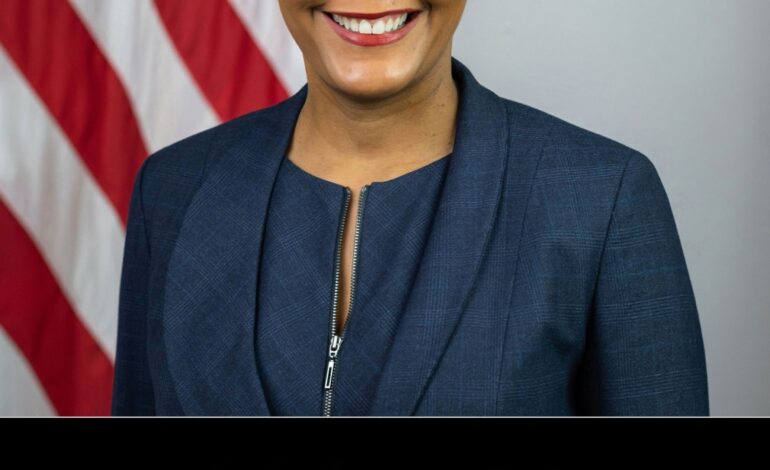

Keisha Lance Bottoms coverage shows the central development clearly. Keisha Lance Bottoms won Georgia’s governor race on November 3, according to CBS’s projection and AP reporting. The result makes her the first woman elected to lead Georgia and the first Black woman elected governor of a U.S. state. The election brings both a change in party control and a milestone in representation for the state and country.
Keisha Lance Bottoms: the reported facts
Democrat Keisha Lance Bottoms defeated Republican Rick Jackson in Georgia’s Nov. 3 gubernatorial election, according to CBS’s projection and AP reporting. Bottoms is set to become Georgia’s first woman governor and the first Black woman elected governor of a U.S. state.
Bottoms served as mayor of Atlanta from 2018 through 2022. She also served as a senior adviser in the Biden administration, CBS reported.
Context around Keisha Lance Bottoms
Bottoms will succeed Republican Gov. Brian Kemp, who could not seek a third consecutive term. CBS reported that her victory returns Georgia’s governor’s office to Democratic control for the first time in more than two decades. These details describe the transition from one administration to the next; they do not mean that every state office changed parties.
Her background includes a term as Atlanta’s mayor from 2018 to 2022 and later service as a senior adviser in the Biden administration. Those roles preceded the governor campaign. Reporting on her prior public service helps explain why she was a known Democratic figure in Georgia, while the election result itself determined who will next hold the governor’s office.
During the campaign, Bottoms emphasized health-care access, lower costs, voting rights and economic opportunities for Georgia families. CBS listed proposals that included expanding Medicaid, exempting teachers from state income taxes and increasing access to affordable housing. The proposals remain campaign commitments; the election did not enact them automatically.
Bottoms will succeed Republican Gov. Brian Kemp, who could not seek a third consecutive term. The win returns Georgia’s governor’s office to Democratic control for the first time in more than two decades, according to CBS.
During the campaign, Bottoms emphasized health-care access, lower costs, voting rights and economic opportunity. Her campaign proposals included Medicaid expansion, a teacher income-tax exemption and increased affordable housing access.
Democrats also won Georgia races for lieutenant governor, secretary of state, and attorney general, CBS reported. Bottoms served as Atlanta’s mayor from 2018 through 2022 and later as a senior adviser in the Biden administration, CBS reported.
Bottoms’ campaign proposals included Medicaid expansion, an income-tax exemption for teachers and expanded access to affordable housing, CBS reported. CBS projected Bottoms would defeat Republican Rick Jackson and Libertarian Chase Oliver in the governor’s race.
Democrats also won Georgia’s lieutenant governor, secretary of state and attorney general races, CBS reported.
What the reporting does and does not establish
Democrats also won other statewide races, including lieutenant governor, secretary of state and attorney general, CBS reported. Those wins matter to the overall political picture because they place several state offices in Democratic hands at once. The factsheet supports those reported outcomes, but does not establish how each officeholder will use the powers of the job after taking office.
The governor’s race was one of several Georgia contests decided in the same election. CBS reported that voters also chose federal and state officials. Bottoms’ victory therefore sits within a wider result, but this article focuses on the governor’s office and her stated campaign agenda rather than trying to summarize every race on the ballot.
What happens next
The next stage is the transition to the governor’s office. The proposals described during the campaign would need to proceed through the relevant state processes before they could become policy. The reporting reviewed here does not say which proposals will be introduced first, whether they will be enacted, or how the new administration will negotiate with lawmakers.
The confirmed historical significance and the policy questions should remain distinct. Bottoms is set to become the first woman governor of Georgia and the first Black woman governor in the country. Her campaign also described priorities on health care, costs, voting rights and housing. The first is an election outcome; the second is an agenda whose implementation remains ahead.
The race’s historic significance is clear from the reported outcome, while the policy effects remain ahead. Bottoms’ victory makes her Georgia’s first woman governor and the first Black woman elected governor in the United States. Those are facts about the election result. They do not by themselves show which campaign proposals will be enacted or how quickly the new administration will pursue them.
The campaign proposals named in the coverage span state health care, taxes and housing. They provide a record of what Bottoms said she wanted to pursue. The article should not describe them as laws or implemented programs. Their future depends on the steps required after the transition, and the reporting reviewed does not identify a final legislative package.
The change in party control is also limited to the offices voters decided. CBS reported Democratic victories in several other statewide races, including attorney general and secretary of state. Those results establish a broader change in state leadership, but they do not mean every Georgia office changed hands or that all state policy will shift at once.
Bottoms’ earlier service as Atlanta mayor and in the Biden administration supplies background on her public roles. The race then gave her a different office with statewide responsibilities. Readers can distinguish that career history from her campaign proposals and from the election result, which are separate parts of the story.
The next stage is the transition to state government. The factsheet identifies Kemp as the outgoing governor and notes he was barred from seeking another consecutive term. It does not set out the full transition schedule or the first actions Bottoms will take after assuming office, so those details should be added only when supported by later reporting.
Sources
Byline: MatterDigest Editorial Team
Last updated:
Correction note: We correct factual errors transparently and update this article when verified information changes.
Discover more from MatterDigest
Subscribe to get the latest posts sent to your email.