DOJ Drops California Ballot Lawsuit After Election
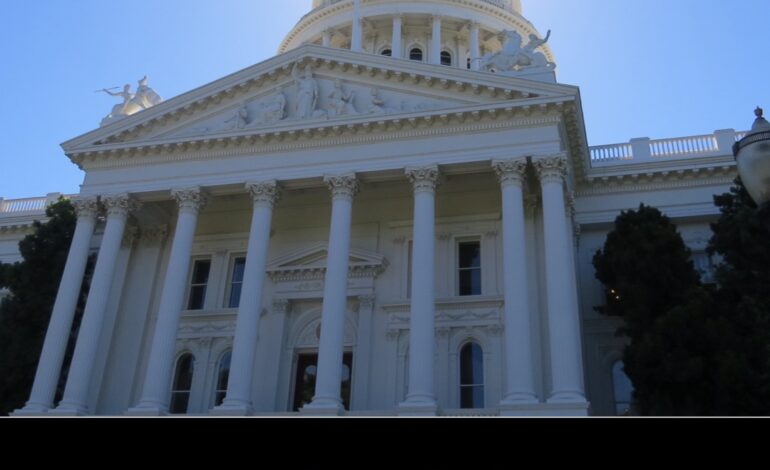

California ballot lawsuit coverage shows the central development clearly. The Justice Department’s decision ended a lawsuit that sought to affect California mail ballots after Election Day. The department had asked to stop roughly 20,000 ballots associated with a federal list of people it believed were likely noncitizens. That was an allegation about a list and ballot eligibility, not a finding that the people named had voted unlawfully.
California ballot lawsuit: the reported facts
The Justice Department voluntarily dismissed its lawsuit against California on Nov. 6, after the Nov. 3 election. The lawsuit sought to require California to set aside mail ballots associated with a federal list of about 20,000 people the administration said were likely noncitizens.
California Attorney General Rob Bonta said the federal government dropped the case rather than proceed to a scheduled evidentiary hearing on Nov. 13. The state said the federal list included eligible voters and disputed the reliability of the underlying data.
Context around California ballot lawsuit
The two sides described the list differently. The federal government’s case relied on records it said identified people who might be noncitizens. California officials disputed its reliability and said it included eligible voters. The AP account described the matter as a dispute over whether ballots should be counted while those immigration statuses were checked.
The schedule mattered to the case. California had already processed millions of ballots by the time the Justice Department sought dismissal, and the filing said the challenged ballots would be mixed with lawful ones by the time of the hearing. State officials said processed ballots are anonymized. The case therefore concerned both the list and whether ballots could still be isolated.
California Attorney General Rob Bonta said an evidentiary hearing had been set for November 13 to examine the list’s reliability. His office said the federal government dismissed the case instead of proceeding to that hearing. The reason attributed to the state should remain a statement by the attorney general; the case ended before the planned evidentiary review could take place.
The requested pre-election relief could no longer be granted after ballots had been processed and mixed with other ballots, according to the DOJ’s court filing as reported by AP and Reuters. The lawsuit concerned California’s handling of mail ballots and voter records; it did not establish that the listed individuals had voted unlawfully.
A federal judge had rejected the administration’s request to segregate the ballots before the election, according to AP. The California attorney general’s office said roughly 9 million ballots had been processed by Nov. 6 and nearly 5 million remained to be counted.
Bonta characterized the lawsuit as baseless; that is the state attorney general’s position, not a judicial finding. The case ended without a court ruling resolving the parties’ underlying dispute about the federal list’s accuracy.
The Justice Department filed the California lawsuit in mid-October, after ballots had been sent to the state’s 23 million registered voters and hundreds of thousands had already been processed, AP reported. California election officials said that processed ballots are anonymized, making later identification of an individual ballot impossible, according to AP.
A hearing to examine the federal list’s reliability had been scheduled for Nov. 13 before the Justice Department dismissed the case, the California attorney general said. The state attorney general said the administration had lost four court rulings during the week before dismissing the case; that count is California’s characterization.
What the reporting does and does not establish
The dismissal does not amount to a court ruling that the federal list was accurate or inaccurate. Nor does it resolve the larger disagreement between federal and state officials over how voter records should be checked. The court did not reach a final merits decision on the central claim described in the reporting.
The state said approximately 9 million ballots had been processed and nearly 5 million remained to be counted as of early November 6. Those figures explain why the timing of the requested relief mattered. Once ballots are processed and anonymized, election officials cannot readily identify an individual ballot to set it aside, according to the reporting.
What happens next
For readers, the key distinction is between the government’s allegation about the list and proof about any individual voter. The case sought a remedy based on the federal list; the reporting reviewed does not establish that any person on it cast an unlawful ballot. The article therefore describes the dispute and its procedural end without treating the allegation as proven.
The litigation had also involved earlier court rulings. California’s attorney general said the administration had lost four court rulings in the week before it dismissed this case. That count is the state’s description of the legal history. The immediate result is that the Justice Department withdrew this particular suit, leaving no evidentiary hearing on the list’s accuracy in this case.
The federal list was central to the case, but the lawsuit’s dismissal left its accuracy unresolved. California officials argued that eligible voters appeared on the list, while the department had described people as likely noncitizens. Those descriptions should remain attributed to the parties. The reporting does not provide an adjudicated count of ineligible voters among the people identified.
The requested remedy also depended on timing. The case was filed after mail ballots had already been sent and processed. By the time a hearing would take place, the Justice Department said the challenged ballots would be mixed with lawful ballots. State officials said processed ballots were anonymized. These points explain the procedural problem without resolving the underlying dispute about data quality.
Because the department voluntarily dismissed the lawsuit, the scheduled evidentiary hearing did not decide whether the federal list was reliable. That procedural outcome is different from a court finding for either side on the merits. The state attorney general called the dismissal a win for California; that characterization should be attributed rather than presented as the court’s conclusion.
The figures in the reporting also need to stay attached to their source and date. The list concerned approximately 20,000 people; the ballot totals described how many had been processed and remained to be counted by early November 6. They are different measurements and should not be collapsed into a claim that the list contained 20,000 unlawful votes.
Sources
Byline: MatterDigest Editorial Team
Last updated:
Correction note: We correct factual errors transparently and update this article when verified information changes.
Discover more from MatterDigest
Subscribe to get the latest posts sent to your email.