Hakeem Jeffries Speaker Nomination Wins 251-11

By MatterDigest Editorial Team
Last updated
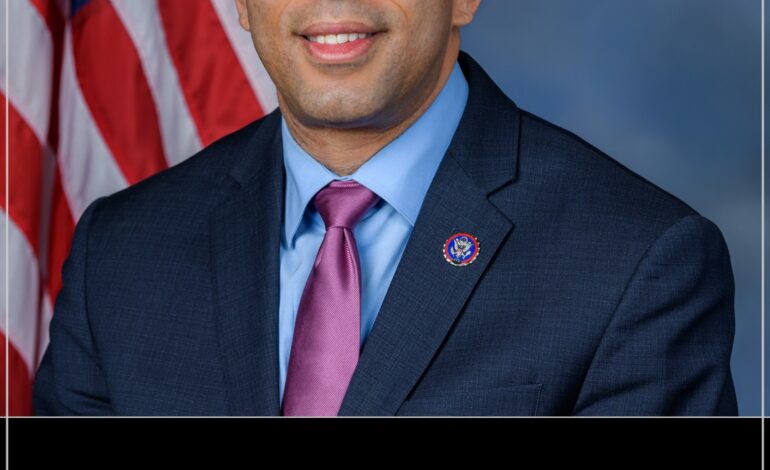
The Jeffries speaker nomination became the first major test of House Democrats’ next leadership team when the caucus selected Hakeem Jeffries on November 18, 2026. The closed-door vote was 251-11. Democrats had won control of the House in the midterm elections, so the nomination sets up Jeffries to seek the speakership when the full chamber meets in January. It does not settle that later vote: the House itself must choose a speaker, and the winner needs 218 votes.
What the Jeffries speaker nomination vote decided
Jeffries ran without an opponent for his party’s nomination. House Democrats chose him in a private caucus ballot, and 251 members-elect supported him while 11 voted no. That result shows overwhelming backing within the Democratic group, alongside a smaller bloc that withheld support. Because the vote took place inside one party’s caucus, it measured the party’s choice of candidate rather than the full House’s choice of speaker.
The distinction matters for readers following the change in control. Democrats won the House in the 2026 midterms and are set to take the majority in January 2027. The party nomination is a step toward organizing that majority, but the speaker is elected by the full chamber. Jeffries will need support across the House membership, not only the votes he received from Democrats in the caucus meeting.
The threshold reported for the full House vote is 218. The vote is scheduled for January 3, 2027, when the new Congress convenes. Until that proceeding takes place, Jeffries is the Democratic nominee for speaker, not the speaker-elect. The caucus result therefore points to the party’s intended leadership while leaving the formal selection to be decided by a separate ballot.
Jeffries was unopposed in the Democratic contest, so the 11 no votes were not votes for another named candidate. They registered opposition to his nomination. Reporting on the vote described progressive members-elect seeking policy commitments before they would support his leadership. Their concerns included Medicare for All, immigration enforcement, campaign finance and the war in Gaza. The available reporting does not identify every no voter or show that all 11 members shared one reason.
A leadership slate with historic firsts
The caucus also selected its other top House leaders. Katherine Clark was chosen as majority leader and Pete Aguilar as majority whip, both without opponents. Clark would be the first woman to hold that party leadership post, and Aguilar would be the first Latino majority whip. Their selections show that the November meeting was about a leadership team, not only a speaker candidate.
If the full House elects him, Jeffries would become the first Black speaker in U.S. history. That milestone is conditional on the January chamber vote. The caucus nomination makes the possibility concrete, but it cannot be treated as an accomplished fact before the House takes its vote.
The leadership selections also create a practical challenge for the incoming majority: the party must turn its caucus choice into support from the full chamber. The sources describe Jeffries’ intention to work across the Democratic caucus and fight for the party’s agenda. That statement gives an indication of how he wants to approach members who opposed him, though it does not specify which policy commitments he will make or how dissenters will respond.
The party’s majority gives the speaker contest added weight because the next speaker will lead a chamber controlled by Democrats. But the caucus tally and the full House tally have different electorates. A large margin within the Democratic meeting is not a substitute for counting the votes of the full chamber, and a nomination cannot guarantee that every member-elect will cast the same vote on the floor.
Why 11 no votes need careful interpretation
The most visible sign of disagreement was the group of 11 members-elect who voted against Jeffries. It would be inaccurate to treat that number as a single organized faction without evidence about each member’s reason. AP reporting described seven members-elect signing a joint statement about unresolved policy commitments. Other reporting identified additional Democrats who said they had voted no. The statement’s seven signers and the 11 no votes are therefore not interchangeable groups.
The issues named by progressive opponents were substantive policy areas rather than a competing nominee. They included health care policy, immigration enforcement, campaign finance and the war in Gaza. The reporting says the members were seeking commitments on these topics. It does not establish that Jeffries agreed to a specific position, that the caucus adopted a policy platform during the vote or that all 11 dissenters made identical demands.
Jeffries’ response after the caucus vote emphasized working with Democrats across the group. That approach leaves room for continued discussion, but the sources do not describe a negotiated agreement that resolved the members’ concerns. The nomination closes the internal selection question for the party; it does not erase the policy debate inside the caucus.
Keeping the distinction clear helps explain both sides of the result. The 251 votes show that Jeffries had broad support among House Democrats. The 11 no votes show that a smaller group remained unconvinced. Neither figure alone explains why each member voted as they did, and the separate full House election remains the next formal test.
What happens before the full House vote
The next scheduled milestone is the House’s speaker election on January 3, 2027. The chamber will vote, and a candidate will need 218 votes to win. Jeffries’ party nomination means Democrats selected him to seek that position. The full House vote remains unresolved, and the sources do not establish how members of either party will vote when the chamber convenes.
For now, the verified result is narrow and important: House Democrats chose Jeffries by 251-11, alongside Clark and Aguilar for leadership roles. The party’s majority and the possibility of a historic first give the nomination national significance, while the outstanding House vote and policy questions define what remains unsettled.
Sources
Discover more from MatterDigest
Subscribe to get the latest posts sent to your email.