Why GLP-1 Drugs Like Ozempic Are Doing Something No One Expected — And Should You Be Worried?
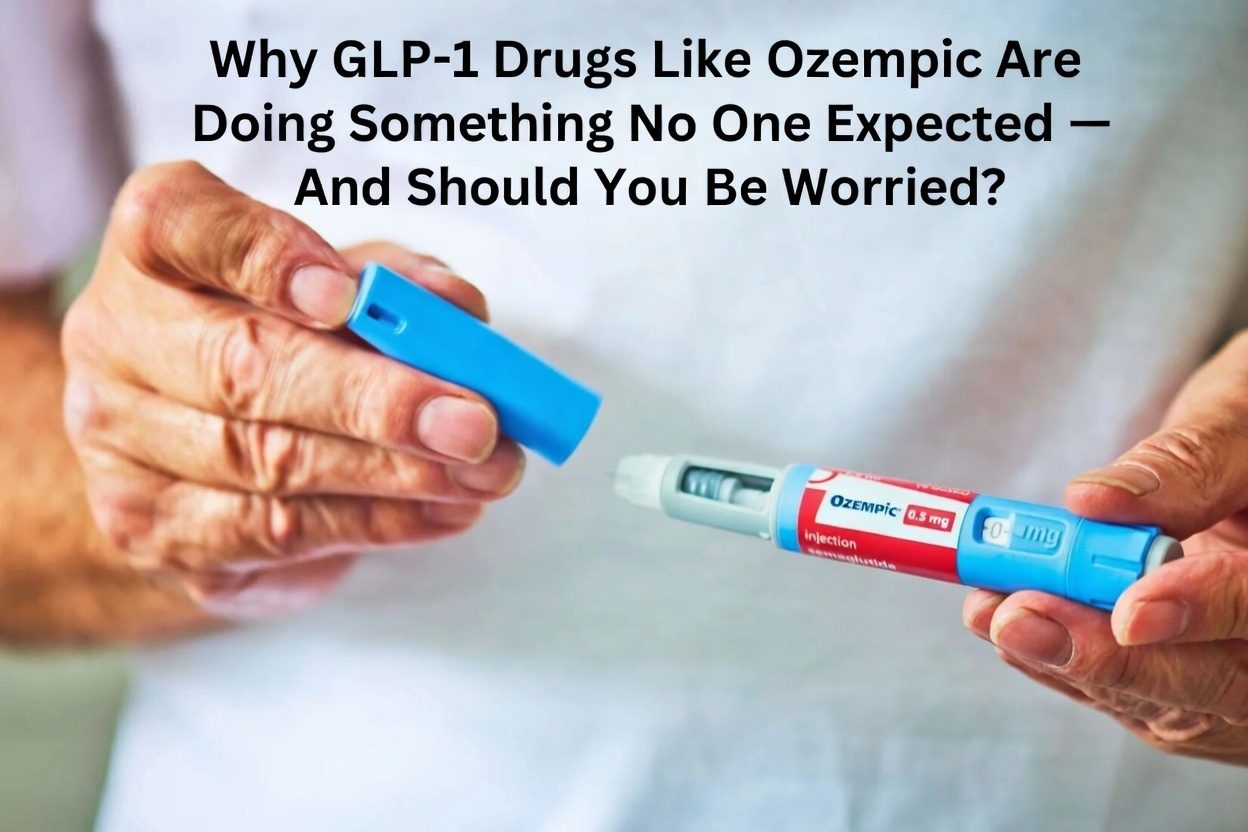

Something strange is happening with Ozempic patients.
They’re not just losing weight. They’re stopping drinking. They’re walking past the slot machines. They’re buying fewer lottery tickets. Some say their anxiety has melted away. Others report they no longer want to pick at their skin or bite their nails.
Nobody planned for this. Not the drug companies, not the doctors, not the researchers. And yet, here we are — staring at a class of medications that may be reshaping the human brain in ways science is only beginning to understand.
GLP-1 receptor agonists — a mouthful of a name for drugs like semaglutide (Ozempic, Wegovy), liraglutide (Victoza, Saxenda), and tirzepatide (Mounjaro) — were designed to treat type 2 diabetes. Then they became blockbuster weight-loss drugs. Now, they might be something else entirely: a window into how the brain controls desire, reward, and addiction.
This article breaks down exactly what’s happening, what the science says, what’s still unknown, and what you actually need to know if you’re considering or already taking one of these medications.
1. What Are GLP-1 Drugs, Really?
GLP-1 stands for glucagon-like peptide-1. It’s a hormone your gut naturally releases when you eat. Its main job? Tell your pancreas to release insulin, slow digestion, and signal to your brain that you’re full.
GLP-1 receptor agonists are synthetic versions of this hormone that stay active in your body much longer than the natural version. The natural GLP-1 breaks down in minutes. Semaglutide lasts about a week. That’s why you only need one injection per week with Ozempic or Wegovy.
The Most Common GLP-1 Drugs (2024–2026)
| Drug Name | Brand Name | Approved For | How Often |
| Semaglutide | Ozempic / Wegovy | Diabetes / Weight Loss | Weekly injection |
| Liraglutide | Victoza / Saxenda | Diabetes / Weight Loss | Daily injection |
| Tirzepatide | Mounjaro / Zepbound | Diabetes / Weight Loss | Weekly injection |
| Dulaglutide | Trulicity | Diabetes | Weekly injection |
Originally, these drugs were all about blood sugar. But then researchers and patients started noticing things nobody expected.
2. The Unexpected Discovery: GLP-1 and the Brain
Here’s where it gets fascinating. GLP-1 receptors aren’t only in your gut. They’re also in your brain — specifically in areas that control reward, motivation, pleasure, and compulsive behavior.
The ventral tegmental area (VTA), the nucleus accumbens, and the prefrontal cortex — these are key players in what neuroscientists call the reward pathway. It’s the same system that lights up when you eat junk food, drink alcohol, gamble, or use drugs.
When GLP-1 medications reach these brain regions, they seem to dampen the reward signal. The craving goes quiet. The urge shrinks. Not through willpower — through pharmacology.
How do GLP-1 drugs affect the brain? GLP-1 receptor agonists like Ozempic activate GLP-1 receptors in the brain’s reward system, including the nucleus accumbens. This reduces dopamine-driven cravings for food, alcohol, and addictive substances. The effect appears to be direct neurological dampening of reward signals, not simply a result of feeling full.
What the Animal Studies Showed First
Animal studies set off the alarm bells — in the best possible way. Rats given GLP-1 receptor agonists consumed dramatically less alcohol. They stopped pressing levers for cocaine rewards. They showed less interest in addictive substances across the board.
A pivotal 2022 study published in JCI Insight demonstrated that semaglutide reduced alcohol consumption and motivation to drink in animal models by directly targeting dopamine signaling in the reward pathway. That’s a big deal.
Then the human reports started rolling in.
3. Ozempic and Addiction: What the Research Shows
Patients started posting on Reddit, TikTok, and health forums. “I haven’t wanted a drink since I started Ozempic.” “I haven’t smoked in three months.” “I walked past the casino and didn’t even feel a pull.”
These weren’t just anecdotes. Researchers were watching. And what they found is remarkable.
Alcohol Use Disorder
A landmark 2023 study in The Journal of Clinical Investigation, using data from 48 million patients in a U.S. insurance database, found that people taking GLP-1 medications had significantly lower rates of alcohol use disorder diagnoses compared to those on other diabetes medications. The effect was consistent across multiple GLP-1 drugs.
Multiple clinical trials specifically targeting alcohol use disorder with semaglutide are now underway. Early results from a 2024 trial at the University of North Carolina found that semaglutide reduced the number of drinking days and heavy drinking days in participants with alcohol use disorder. These results are preliminary — but they’re turning heads.
Opioid and Stimulant Addiction
The data here is earlier-stage but compelling. A 2024 observational study in JAMA Surgery found that patients on semaglutide had lower rates of opioid overdose events compared to those on other medications — a finding that sparked intense interest and some healthy skepticism.
Nicotine is another area of growing research. Some patients report that cigarettes simply became less appealing after starting GLP-1 therapy. Formal trials on smoking cessation are being designed as of early 2026.
Behavioral Addictions: Gambling and Compulsive Eating
This is the wildest frontier. Reports of reduced gambling urges, less compulsive shopping, fewer nail-biting and skin-picking behaviors — all showing up in patient testimonials and small case studies. The scientific evidence is thin here, but the theoretical mechanism makes sense given what we know about the reward pathway.
4. Mental Health Effects: The Good, the Bad, and the Unknown
This is where things get more complicated. And where you should pay close attention.
The Promising Signs
Some research suggests GLP-1 drugs may have anti-inflammatory and neuroprotective effects in the brain. Animal studies show potential benefits for Alzheimer’s disease and Parkinson’s disease. A large clinical trial — the EVOKE trial using semaglutide for early Alzheimer’s — is ongoing and expected to report results by 2026.
Multiple observational studies have found that GLP-1 patients report improvements in depression and anxiety symptoms, particularly tied to improved self-image and physical health. A 2024 meta-analysis in Diabetes, Obesity and Metabolism found modest but statistically significant reductions in depression scores among GLP-1 users.
The FDA Warning You Need to Know About
Here’s the uncomfortable part. In 2023, the FDA and the European Medicines Agency (EMA) launched investigations into reports of suicidal ideation and self-harm thoughts among GLP-1 users. This sent shockwaves through the medical community.
After reviewing the evidence, the EMA concluded in early 2024 that it could not establish a causal link between GLP-1 drugs and suicidal ideation. The FDA reached a similar conclusion. However, the label was updated to recommend that physicians monitor for mental health changes in patients with existing psychiatric conditions.
It’s worth noting that obesity itself is associated with higher rates of depression and suicidal ideation. Disentangling the drug effect from the underlying condition is genuinely difficult science.
The “Flat Affect” Question
Some patients describe feeling emotionally blunted — less joy, less enthusiasm, less feeling altogether. This aligns with the reward-dampening mechanism. If you’re reducing craving signals across the board, you might be reducing pleasure signals too.
This is not well-studied yet. It appears to be reported by a minority of users. But if you notice significant emotional changes while on a GLP-1 medication, this is worth raising with your prescriber immediately.
5. Beyond Weight Loss: A New Era for GLP-1 Drugs?
The research pipeline for GLP-1 drugs has exploded. Scientists are now investigating these medications for conditions that, just five years ago, nobody would have associated with a diabetes drug.
- Heart disease: The SELECT trial showed semaglutide reduced major cardiovascular events by 20% in people with obesity but without diabetes — a historic finding published in the New England Journal of Medicine in 2023.
- Kidney disease: The FLOW trial found semaglutide slowed kidney disease progression in patients with chronic kidney disease and type 2 diabetes.
- Sleep apnea: A 2024 trial (SURMOUNT-OSA) found tirzepatide reduced sleep apnea severity by over 60% in some participants.
- Non-alcoholic fatty liver disease (NAFLD/MASH): Multiple drugs showing positive Phase 3 results.
- Polycystic ovary syndrome (PCOS): GLP-1 drugs improving hormonal balance and fertility markers.
- Alzheimer’s disease: Active clinical trials underway.
- Alcohol use disorder: Trials actively enrolling patients.
- Parkinson’s disease: Early evidence of neuroprotective effects.
It’s a remarkable list. The honest answer is that scientists are still figuring out why GLP-1 receptors are so widespread throughout the body — and what it means that we can now stimulate them pharmacologically for years at a time.
6. Should You Be Worried? Risks and Real Side Effects
Let’s be direct. Yes, these drugs have side effects. Some are common and manageable. Some are rare but serious. Here’s what the evidence actually says.
Common Side Effects (Experienced by Many Users)
- Nausea, vomiting, and diarrhea — particularly in the first weeks
- Constipation (especially with semaglutide)
- Injection site reactions
- Fatigue, particularly early in treatment
- Reduced appetite (often the desired effect, but can go too far)
Serious but Rare Side Effects
- Pancreatitis: A small but documented risk. Seek immediate care for severe abdominal pain.
- Thyroid C-cell tumors: Seen in animal models; human risk remains uncertain. Contraindicated in those with a personal or family history of medullary thyroid cancer.
- Gastroparesis (stomach paralysis): Rare but severe. More reports emerging with longer-term use.
- Muscle loss: Significant concern. Patients can lose substantial lean muscle mass alongside fat — up to 40% of total weight lost may be muscle without adequate protein and exercise.
- Gallbladder disease: Rapid weight loss of any kind increases gallstone risk.
- Vision changes: Rare cases of non-arteritic anterior ischemic optic neuropathy (NAION) have been reported, though causality is debated.
The “Ozempic Face” and “Ozempic Body” Problem
Rapid, significant weight loss causes fat to leave the face quickly, leading to a gaunt, aged appearance — what media has dubbed “Ozempic face.” Similarly, without strength training and adequate protein, patients can end up with a softer, less toned body composition despite weighing less.
This isn’t a trivial concern. The solution is well-established: strength training and high protein intake during GLP-1 therapy. But many patients aren’t being given this guidance. If your prescriber hasn’t mentioned it, bring it up yourself.
7. Who Should (and Shouldn’t) Take GLP-1 Drugs
Who qualifies for GLP-1 medications? Current FDA guidelines approve GLP-1 drugs for: adults with type 2 diabetes, adults with a BMI of 30 or above (obesity), and adults with a BMI of 27 or above (overweight) with at least one weight-related condition such as hypertension, type 2 diabetes, or high cholesterol.
Who Should Be Cautious or Avoid These Drugs
- Personal or family history of medullary thyroid carcinoma (MTC)
- Multiple endocrine neoplasia syndrome type 2 (MEN 2)
- History of pancreatitis
- Pregnancy or breastfeeding (category C; avoid)
- Severe gastrointestinal disorders
- Active eating disorders (consult a specialist — complex risk-benefit calculation)
- Children and adolescents under 12 (limited safety data)
8. What Doctors Are Saying in 2025–2026
The medical community is excited — and appropriately cautious.
Dr. Daniel Drucker, one of the pioneers of GLP-1 research at the University of Toronto, has described the current moment as “an inflection point in medicine.” The breadth of conditions these drugs appear to affect is almost unprecedented for a single drug class.
But clinicians are also raising important questions. What happens when people stop taking these medications? Most patients regain significant weight. Does the brain’s reward system snap back? Do addiction-related benefits disappear? The honest answer is: we don’t know yet.
The American Diabetes Association (ADA) and the Obesity Society both now recommend GLP-1 medications as frontline treatments for appropriate patients — recognizing obesity as a chronic disease requiring chronic management, not a willpower problem.
There’s also a growing access and equity conversation. These medications can cost $800–$1,300 per month without insurance in the United States. Insurance coverage remains inconsistent. The benefits are currently not equally available to everyone who might need them.
9. Key Takeaways and Next Steps
Here’s what the evidence tells us right now, stated plainly:
- GLP-1 drugs are affecting the brain in ways that go far beyond appetite suppression. The reward pathway effects are real and scientifically plausible.
- The evidence for addiction-related benefits (especially alcohol) is growing and promising, but clinical trials are still ongoing. Don’t take these drugs specifically for addiction treatment yet.
- Mental health effects are mixed. Most people do well. A small number experience concerning changes. Monitor closely, especially if you have a psychiatric history.
- The risk of muscle loss is real and underemphasized. Prioritize protein (1.2–1.6g per kg of body weight daily) and strength training if you’re on these medications.
- These are long-term medications for a chronic condition. Stopping usually means weight regain. Be clear-eyed about that commitment.
- Costs and access remain serious equity issues in the United States.
What should you do next?
- If you’re considering a GLP-1 medication: Talk to your physician. Bring up not just weight goals but your full health picture, including mental health and any substance use concerns.
- If you’re already on one: Ask about resistance training and protein goals. Tell your doctor about any mood changes, no matter how subtle.
- If you’re a researcher or clinician: The addiction medicine literature is the most exciting space to watch in the next 18 months.
10. Frequently Asked Questions (FAQ)
Can GLP-1 drugs like Ozempic really help with alcohol addiction?
Emerging evidence suggests yes — but these drugs are not yet approved for alcohol use disorder. Multiple large clinical trials are underway as of 2025–2026. If you struggle with alcohol and are taking a GLP-1 medication for another reason, it’s worth discussing this potential benefit with your doctor.
Do GLP-1 medications affect your mood or personality?
Most patients report no significant mood changes or even improvements related to better health outcomes. A small subset report feeling emotionally flat or less motivated. The FDA investigated suicide-related reports but did not find a causal link. Tell your prescriber about any mood changes promptly.
What happens when you stop taking Ozempic or Wegovy?
Most patients regain a substantial portion of lost weight within one to two years of stopping. Some evidence suggests hunger hormones return to pre-treatment levels, and the brain’s appetite and reward signaling largely reverts. These are considered chronic medications for a chronic condition.
Is Ozempic safe long-term?
The longest clinical trials extend to about five years. Within those timeframes, the safety profile appears acceptable for most patients. Long-term safety data beyond five years is still being collected. The SELECT trial provided strong cardiovascular safety data through approximately 34 months of follow-up.
How do GLP-1 drugs reduce cravings if you haven’t eaten?
GLP-1 receptors in the brain are activated directly by the drug, independently of gut signaling. This means the brain’s reward and craving centers can be affected even in a fasted state — explaining why cravings for alcohol, nicotine, and other non-food substances can diminish.
Will GLP-1 drugs be used for addiction treatment in the future?
Quite possibly. Several pharmaceutical companies are developing GLP-1 drugs specifically targeting addiction, and trials are actively enrolling. The addiction medicine field is watching these developments very closely. Official addiction treatment indications could arrive within three to seven years if trial results are positive.
Sources and Further Reading
- Blum D, et al. (2023). “Obesity Drug’s Effect on Drinking.” The Journal of Clinical Investigation.
- Lincoff AM, et al. (2023). “Semaglutide and Cardiovascular Outcomes in Obesity without Diabetes.” New England Journal of Medicine.
- Masson W, et al. (2024). “GLP-1 Receptor Agonists and Mental Health.” Diabetes, Obesity and Metabolism.
- Yao F, et al. (2024). “Semaglutide and Opioid Overdose Risk.” JAMA Surgery.
- Drucker DJ. (2022). “The Biology of GLP-1 in the Brain.” Cell Metabolism.
About the Author / Editorial Standards
[AUTHOR BIO PLACEHOLDER — replace with actual author credentials]
This article was reviewed for medical accuracy and updated in February 2026. All referenced studies are published in peer-reviewed journals. This content is for informational purposes only and does not constitute medical advice. Always consult a qualified healthcare provider before starting, stopping, or changing any medication.
Discover more from MatterDigest
Subscribe to get the latest posts sent to your email.