Trump Just Changed IndyCar History With a Washington DC Street Race
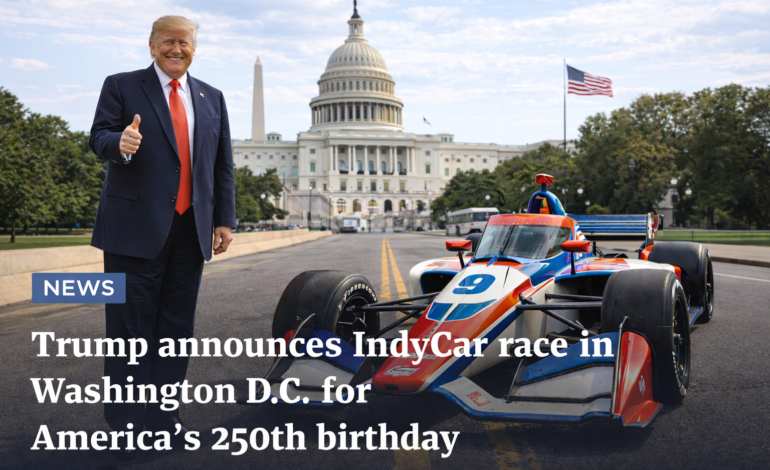

The roar of IndyCar engines will soon echo past the Washington Monument. President Trump just signed an executive order that will bring professional racing to the nation’s capital for the first time ever. This isn’t just another race. It’s a celebration of America’s 250th birthday.
The streets of Washington DC will transform into a high-speed racing circuit in 2026. IndyCar drivers will race past some of America’s most famous landmarks. The Capitol building will serve as a stunning backdrop. And millions of fans will watch history unfold.
America250 Grand Prix
President Trump signed an executive order on January 30, 2025, to bring IndyCar racing to Washington DC. The America250 Grand Prix will run through streets near the National Mall in July 2026, celebrating America’s 250th anniversary. This marks the first major motorsport race in the nation’s capital.
The Announcement: What Just Happened
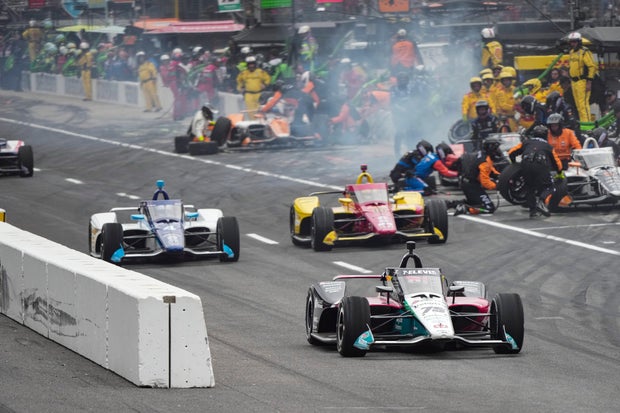
On Thursday, January 30, 2025, President Trump made racing history. He signed Executive Order 14192 in the Oval Office. The order creates the “America250 Grand Prix” – an IndyCar street race in Washington DC.
Trump stood alongside IndyCar officials for the signing. Roger Penske, owner of IndyCar and Team Penske, was present. So were key members of the America250 Foundation. The group is planning nationwide celebrations for the country’s 250th birthday.
“This will be the greatest racing event ever held in our nation’s capital,” Trump said during the signing. “We’re going to show the world what American motorsports is all about. Fast cars, incredible drivers, and the most beautiful backdrop anywhere.”
The executive order directs federal agencies to work together. The National Park Service must help plan the race route. The Secret Service will handle security. The Department of Transportation will manage logistics. All federal resources will support this historic event.
IndyCar released a statement within hours. “We are honored to be part of America’s 250th birthday celebration,” the statement read. “Racing in Washington DC, past our nation’s monuments, will be a dream come true for drivers and fans.”
Roger Penske added his own comments. “This is a once-in-a-lifetime opportunity. We’re bringing the excitement of IndyCar to the heart of American democracy.”
Race Details: When, Where, and How
The America250 Grand Prix will take place in July 2026. The exact date hasn’t been announced yet. But officials say it will coincide with Fourth of July weekend celebrations.
The Proposed Track

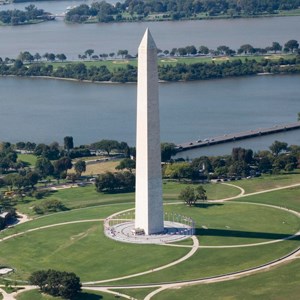
The race will run on a temporary street circuit near the National Mall. While the final route isn’t public, sources say the track will include:
- Streets surrounding the Washington Monument
- Portions of Constitution Avenue
- Roads near the Lincoln Memorial
- Views of the Capitol building
The track is expected to be about 2.0 miles long. That’s similar to other famous street circuits. Drivers will navigate 10-12 turns per lap. Some corners will be tight and technical. Others will allow high speeds.
The circuit will pass iconic American landmarks. Imagine IndyCars racing at 180 mph with the Capitol dome in view. Picture drivers braking hard with the Washington Monument towering above. This backdrop will be unlike anything in motorsports.
Track designers are studying other successful street races. Monaco’s famous circuit is just over 2 miles. Long Beach runs 1.97 miles. Miami’s newer track is 3.36 miles. DC’s course will fall somewhere in the middle.
Logistical Details
Streets will close several days before the race. Workers need time to install safety barriers, grandstands, and fencing. The closure will last about one week total.
DC residents and workers will face significant disruptions. Major routes will be blocked. Traffic will be rerouted around the race area. Metro stations will stay open with extended hours. The city is already planning alternative routes.
Race weekend will include three days of action:
- Friday: Practice sessions (two 90-minute sessions)
- Saturday: Final practice and qualifying
- Sunday: The America250 Grand Prix race
Race Format
A full field of IndyCar drivers will compete. That means 26-28 of the world’s best racers. Teams like Penske, Ganassi, and Andretti will bring their top cars. Every current IndyCar team has committed to participate.
The race will likely run 80-100 laps. That equals about 160-200 miles of racing. Total race time should be around 2 hours.
NBC will broadcast the race live. International coverage will reach over 150 countries. Streaming options will be available on Peacock and IndyCar’s digital platforms.
Prize money hasn’t been announced. But sources say it could be the richest IndyCar race of the year. The winner might take home over $1 million.
The America250 Connection: Why This Race Matters
July 4, 2026, marks exactly 250 years since the Declaration of Independence. America will celebrate this milestone with events across the country. The America250 Grand Prix is one of the biggest.
Why motorsports for this celebration? Racing is deeply American. The Indianapolis 500 started in 1911. NASCAR grew from bootleggers racing on dirt tracks. Americans invented the hot rod. Speed and innovation are part of our DNA.
The America250 Foundation is coordinating nationwide events. Every state will host celebrations. There will be concerts, parades, historical reenactments, and fireworks. The DC race adds a modern, exciting element to traditional festivities.
Racing at the National Mall carries powerful symbolism. The Mall represents American democracy and freedom. Adding motorsports shows how far the nation has come. It blends history with progress, tradition with innovation.
This race will be broadcast worldwide. Millions will watch IndyCars speed past the Lincoln Memorial. They’ll see the Capitol building as drivers fight for position. The images will be unforgettable. They’ll showcase American achievement on the global stage.
For racing fans, this is a dream. For history buffs, it’s a perfect tribute. For Americans, it’s a source of pride.
The Political Angle: Executive Order Powers
Trump used his presidential authority to make this race happen. Executive Order 14192 is similar to orders used for other major events. Presidents have long directed federal agencies to support important national celebrations.
The order requires several agencies to cooperate:
- National Park Service: Manage use of National Mall areas
- Secret Service: Provide security for the massive event
- Department of Transportation: Handle street closures and traffic
- DC Government: Work with federal agencies on logistics
Is this legal? Constitutional experts say yes. Presidents have authority over federal lands and agencies. The National Mall is federal property. Trump can direct how it’s used for national celebrations.
There’s historical precedent too. Presidents have authorized major events on the Mall before. Inaugurations, protests, concerts, and festivals all needed presidential approval. This race follows the same pattern.
Supporters’ Perspective
Backers of the race point to many benefits:
Economic Boost: The race could bring $50-100 million to DC’s economy. Hotels will fill up. Restaurants will be packed. Local businesses will thrive.
Tourism Increase: Fans will come from across America and beyond. Many will stay several days. They’ll visit museums and monuments. They’ll spend money throughout the city.
American Prestige: This puts American motorsports on the world stage. It shows our ability to host world-class events. It demonstrates innovation and ambition.
Celebration Fitting: America’s 250th birthday deserves something bold. A race through the capital captures the American spirit of speed and progress.
Critics’ Concerns
Not everyone is excited. Some raise valid concerns:
Executive Power Questions: Some wonder if a president should use executive orders for sports events. They worry about setting precedents. They ask if this is the best use of presidential authority.
DC Disruption: Residents face a week of closed streets and noise. Commuters will struggle to get to work. Some question if the benefits justify the hassle.
Taxpayer Cost: Who pays for security and infrastructure? If taxpayers foot the bill, is it worth it? These questions remain unanswered.
Security Risks: Racing near government buildings creates unique challenges. A large crowd near sensitive locations raises security concerns. Some worry about terrorism or accidents.
Environmental Impact: Race cars produce emissions. Temporary construction affects local ecosystems. Critics question the environmental cost.
Constitutional law professor Sarah Martinez from Georgetown University weighed in. “The president has clear authority here. Federal lands, federal agencies, national celebration – it’s all within presidential power. Whether it’s good policy is a different question.”
IndyCar’s Perspective: What the Series Gains
For IndyCar, this race is a game-changer. The series has worked for years to grow its audience. A race in Washington DC on America’s birthday does exactly that.
IndyCar President Jay Frye released a detailed statement. “This opportunity is beyond our wildest dreams. We’ve raced on ovals, road courses, and street circuits. But never in a setting this historic. Never with stakes this high.”
Roger Penske, who owns the IndyCar series, has been working behind the scenes. He’s been meeting with White House officials for months. “We needed the right moment, the right place, the right reason,” Penske said. “America’s 250th birthday is all three.”
Business Benefits for IndyCar
The numbers tell the story:
Viewership Projections: NBC expects 5-8 million US viewers. International audiences could add 20-30 million more. That’s bigger than most IndyCar races.
Sponsorship Value: Companies are already lining up. Patriotic brands want in. Tech companies see opportunity. International corporations want global exposure.
Marketing Impact: Every news outlet will cover this race. Social media will explode with content. The publicity value is enormous.
Long-term Growth: This race introduces IndyCar to new fans. Political followers will tune in. History enthusiasts will watch. Many will become regular fans.
Driver Reactions
Top drivers are thrilled about the opportunity.
Scott Dixon, six-time IndyCar champion, shared his thoughts on social media. “Racing past the Washington Monument? Sign me up! This will be the highlight of my career.”
Josef Newgarden, two-time Indianapolis 500 winner, posted: “As an American driver, representing our country on July 4th weekend in DC is everything. Can’t wait!”
Pato O’Ward, one of IndyCar’s rising stars, said: “The world will be watching. We better put on a good show!”
Colton Herta added: “Street racing is already challenging. Add in the history and meaning of this location? It’s going to be intense.”
DC’s Reaction: Local Impact and Response
Washington DC Mayor Muriel Bowser gave a measured response. “We’re evaluating the details. Our priority is our residents and their daily lives. We’ll work with federal officials to minimize disruption while supporting this historic event.”
The DC Council is divided. Some members see dollar signs and tourism. Others worry about their constituents. Council member Charles Allen represents Ward 6, which includes the National Mall area.
“My phone has been ringing nonstop,” Allen said. “Some people are excited. Others are furious. We need clear answers about traffic, noise, and cost before we can fully support this.”
Economic Impact
DC tourism officials are optimistic. The DC Hotel Association expects 100% occupancy that weekend. Rates will surge. Every hotel room within 10 miles will be booked.
Elliott Ferguson, president of Destination DC, broke down the numbers. “A typical major event brings $30-50 million to our economy. This race could double that. We’re talking 150,000+ visitors spending money on hotels, food, shopping, and entertainment.”
Restaurants near the National Mall are already planning. “This is bigger than any Fourth of July we’ve seen,” said Marcus Samuelsson, who owns a restaurant downtown. “We’re hiring extra staff now.”
Job creation is significant too. The event needs thousands of temporary workers. Security personnel, ticket takers, vendors, cleanup crews – all these jobs pay well.
Community Concerns
Not everyone is celebrating. Maria Rodriguez lives three blocks from the proposed track. “I can’t get to work for a week? Where am I supposed to park? Who compensates me for lost wages?”
The DC Commuter Association issued a statement. “This will be the biggest transportation nightmare in DC history. We need detailed plans now, not later.”
Noise is another worry. IndyCars are loud – very loud. Residents near the track will hear engines screaming all weekend. Some worry about hearing damage and sleep disruption.
“I love my country, but this is too much,” said James Thompson, a DC resident for 30 years. “There are better ways to celebrate that don’t shut down the city.”
Business owner Patricia Chen has a different view. Her shop is near the Capitol. “This will be the best weekend of the year for us. Tourists will flood in. We’ll make enough to cover a slow month.”
Comparison to Other Street Races
Washington DC isn’t the first city to host street racing. Several cities have succeeded. A few have struggled. DC can learn from both.
The Benchmark Races
| Race | Location | Track Length | Annual Attendance | Economic Impact |
|---|---|---|---|---|
| Monaco GP | Monte Carlo | 2.074 mi | 200,000+ | $100M+ |
| Miami GP | Miami | 3.363 mi | 240,000 | $350M |
| Long Beach GP | California | 1.968 mi | 180,000 | $35M |
| America250 GP | DC | ~2.0 mi (est.) | 150,000+ (est.) | $50-100M (est.) |
Monaco Grand Prix is the gold standard. Started in 1929, it’s the most prestigious race in the world. Tight streets, glamorous setting, huge TV audience. But Monaco is tiny. DC faces different challenges with size and security.
Miami Grand Prix launched in 2022. Formula 1 built a circuit around Hard Rock Stadium. The first year drew 240,000 fans. Economic impact topped $350 million. Hotels, restaurants, and tourism all benefited massively.
Long Beach Grand Prix has run since 1975. It’s IndyCar’s most successful street race. The city embraces it. Local businesses plan their year around it. It proves street racing can work long-term.
What DC Can Learn
From Monaco: Create an exclusive, premium experience. Make it the event you have to attend. Quality over quantity.
From Miami: Invest in infrastructure early. Don’t cut corners on safety. Make it spectacular from day one.
From Long Beach: Build community support. Involve local businesses. Make residents feel like partners, not victims.
From Singapore: Lighting and presentation matter. Singapore’s night race is visually stunning. DC should make this race beautiful on TV.
Security and Logistics: Unprecedented Challenges
Racing near the US Capitol creates unique security issues. This isn’t just another sporting event. It’s happening at the symbolic center of American government.
The Secret Service is taking the lead on security. They’re working with:
- US Capitol Police
- DC Metropolitan Police
- FBI counterterrorism units
- Department of Homeland Security
- Military support teams
“This is unlike anything we’ve done,” said a Secret Service official who spoke anonymously. “We’re essentially creating a secure perimeter around a high-speed event near national landmarks. The planning is intense.”
Security Measures
Expected security protocols include:
Screening Zones: Every person entering the race area will go through metal detectors. Bags will be searched. No exceptions.
No-Fly Zone: Airspace over DC will be even more restricted than usual. Military aircraft will patrol. Drones are absolutely banned.
Vehicle Barriers: Temporary concrete barriers will protect monuments and government buildings. These stop vehicle attacks.
Undercover Personnel: Plainclothes officers will mix with crowds. They’ll watch for suspicious behavior.
Emergency Response: Ambulances, fire trucks, and SWAT teams will be positioned strategically. Response time to any incident will be under 60 seconds.
Unique Challenges
Protecting Monuments: The Washington Monument, Lincoln Memorial, and Capitol are priceless. Race barriers must protect them from potential crashes.
Federal vs. Local: Multiple jurisdictions create complexity. Who’s in charge when something happens? Clear chains of command are essential.
International Security: Foreign dignitaries might attend. Foreign intelligence services will watch. This adds diplomatic complexity.
Crowd Size: 150,000+ people near government buildings is unprecedented for a sporting event. Managing this crowd safely is the biggest challenge.
Event security expert Dr. James Wilson compared it to other major events. “Presidential inaugurations have similar challenges but different risks. This has speed, combustible fuel, and hours of exposure. The Secret Service is basically creating a moving secure zone.”
The Fan Experience: What to Expect
For fans, this promises to be unforgettable. But what will attending actually be like?
Tickets and Pricing
Ticket prices haven’t been announced. Based on other major street races, expect:
- General Admission: $75-150 per day
- Grandstand Seats: $200-500 per day
- Three-Day Passes: $300-800
- VIP Packages: $2,000-10,000
Premium options will likely include:
- Pit lane access
- Driver meet-and-greets
- Hospitality suites with food and drinks
- Paddock tours
- Exclusive viewing areas
Tickets will probably go on sale in late 2025. Given the historic nature, they’ll sell out fast.
Race Weekend Schedule
Friday, July 3, 2026:
- Morning: Track opens, fan activities begin
- Afternoon: First practice session (90 minutes)
- Evening: Second practice session, driver autograph sessions
Saturday, July 4, 2026:
- Morning: Final practice
- Afternoon: Qualifying (determines starting positions)
- Evening: Fan zones, concerts, fireworks (Fourth of July celebration)
Sunday, July 5, 2026:
- Morning: Pre-race ceremonies, military flyovers
- Afternoon: America250 Grand Prix race
- Evening: Victory celebrations
Getting There
DC’s Metro system will be crucial. Stations near the National Mall include:
- Smithsonian (Orange, Silver, Blue lines)
- Federal Triangle (Orange, Silver, Blue lines)
- Archives (Green, Yellow lines)
- L’Enfant Plaza (Green, Yellow, Orange, Silver, Blue lines)
Parking will be nearly impossible. Officials strongly recommend public transportation. Hotels within walking distance will charge premium rates but offer convenience.
What to Bring
Based on other street races:
- Sunscreen (July in DC is hot)
- Hat and sunglasses
- Comfortable shoes (lots of walking)
- Ear protection (IndyCars are loud)
- Small bag (large bags won’t be allowed)
- Water bottle (empty, to fill inside)
- Phone charger
What NOT to bring:
- Large backpacks
- Coolers
- Outside food or drinks
- Weapons of any kind
- Drones or recording equipment
Historical Context: Racing and Presidents
Presidents and motorsports have a long relationship. Racing has been part of American culture for over a century. Presidents have often embraced it.
Warren G. Harding was the first president to attend the Indianapolis 500. He went in 1923. The crowd went wild seeing the president at a race.
Ronald Reagan was a huge racing fan. He attended NASCAR races. He invited racing champions to the White House. He understood racing’s appeal to working-class Americans.
George W. Bush served as grand marshal for the Daytona 500 in 2004. He gave the command: “Gentlemen, start your engines!” The crowd of 180,000 roared.
Donald Trump attended the Daytona 500 in 2020 during his first term. He took a lap around the track in the presidential limo. The crowd loved it.
Several presidents have used racing symbolism in campaigns. Racing represents speed, progress, and American innovation. It’s a powerful image.
Now Trump is making history again. No president has ever brought professional racing to Washington DC. This executive order creates a new chapter in the relationship between presidents and motorsports.
What Happens Next: Timeline to 2026
Making this race happen requires massive planning. Here’s the expected timeline:
February – March 2025: Route finalization and engineering studies
- Exact street layout determined
- Track design completed
- Safety analysis finished
April – June 2025: Permits and environmental reviews
- Environmental impact assessment
- DC government permits
- Federal approvals processed
July – September 2025: Infrastructure planning
- Grandstand locations chosen
- Barrier specifications finalized
- Utility planning (power, water, communications)
October – December 2025: Sponsor and partner agreements
- Major sponsors announced
- Ticket sales platform built
- Marketing campaigns launch
January – March 2026: Ticket sales and final preparations
- Public ticket sales begin
- Hotel packages released
- Transportation plans published
April – June 2026: Construction and setup
- Barrier installation begins
- Grandstands erected
- Safety systems installed
July 2026: Race weekend arrives
- Final track inspections
- Practice and qualifying
- America250 Grand Prix
Potential Controversies and Criticisms
No major event avoids criticism. This race will face challenges.
Cost Concerns
Who pays for what? This question needs answering. Federal agencies will spend money. DC will incur costs. Will taxpayers foot the entire bill? Or will sponsors and ticket sales cover it?
Critics worry about cost overruns. Big events often exceed budgets. Construction delays happen. Security needs grow. Someone has to pay.
Supporters argue the economic return justifies the cost. If the race brings $50-100 million to DC, spending $10-20 million on preparation makes sense.
Environmental Impact
Race cars burn fuel and produce emissions. Temporary construction affects local areas. Some environmental groups oppose the race.
“There are greener ways to celebrate America’s birthday,” said climate activist Jennifer Park. “This sends the wrong message about our priorities.”
Race organizers point to IndyCar’s push for sustainable fuels. The series is testing renewable fuels. By 2026, cars might run on partially sustainable fuel.
Political Motivations
Some critics question Trump’s motives. Is this about celebrating America? Or boosting his legacy? Political opponents will frame it their way.
“This is a publicity stunt,” said one congressional Democrat who asked not to be named. “Using federal resources for a vanity project.”
Supporters see it differently. “Every president tries to leave a mark,” said Republican strategist Mike Stevens. “This is creative, exciting, and brings people together. What’s wrong with that?”
Precedent Questions
Does this open the door for future presidents to use executive orders for sports? Could the next president order a Super Bowl on the National Mall? Where does it end?
Political science professor Dr. Amanda Torres addressed this. “Precedents matter. But context matters too. This is tied to America’s 250th birthday. It’s not just any Tuesday. Future presidents can’t just replicate this without similar justification.”
Global Impact: America on the World Stage
The world will be watching. Over 150 countries will broadcast the race. International media will cover every angle.
Formula 1 fans will compare it to Monaco, Singapore, and Abu Dhabi. Those races are spectacles that define their cities. DC aims to do the same.
European media will question American motorsports. “Can IndyCar match Formula 1’s glamour?” they’ll ask. This race is IndyCar’s answer.
Asian audiences love street racing. Singapore’s night race is hugely popular in Asia. DC’s race could capture similar interest, especially in growing markets like India and China.
South American fans already follow American racing closely. Countries like Brazil and Mexico have passionate racing cultures. They’ll tune in to see their drivers compete.
This race showcases American soft power. While F1 markets global glamour, IndyCar offers American authenticity. Close racing, diverse drivers, and now an unbeatable backdrop.
The images of IndyCars racing past American monuments will circle the globe. They’ll appear in newspapers, on social media, in history books. This is American innovation on display.
Common Questions About the America250 Grand Prix
When exactly will the America250 Grand Prix take place? The race is scheduled for July 2026, likely the weekend of July 3-5 to coincide with Fourth of July celebrations. The exact date hasn’t been officially announced yet.
Where is the race track located in Washington DC? The temporary street circuit will run near the National Mall. It will likely include areas around the Washington Monument and along Constitution Avenue. The exact route is still being finalized.
How can I buy tickets to the race? Tickets aren’t on sale yet. They’re expected to go on sale in late 2025 or early 2026. Watch IndyCar’s official website and the America250 Foundation site for announcements.
Will this be an annual race or one-time event? This is planned as a special one-time event for America’s 250th birthday. Whether it becomes annual depends on its success and future negotiations.
What streets will be closed for the race? Specific street closures haven’t been announced. Expect major closures around the National Mall area for about one week, including race weekend and setup/teardown time.
How much will tickets cost? Prices haven’t been announced. Based on similar events, expect general admission around $75-150, grandstand seats $200-500, and VIP packages $2,000-10,000.
Which IndyCar drivers will participate? All current IndyCar teams have committed to participate. Expect 26-28 drivers, including champions like Scott Dixon, Josef Newgarden, Alex Palou, and rising stars like Pato O’Ward and Colton Herta.
Is this legal under the Constitution? Yes. Presidents have authority over federal lands and can direct federal agencies to support national celebrations. Constitutional experts confirm this is within presidential power.
How does this compare to Formula 1 races in the US? F1 races in Miami, Austin, and Las Vegas are permanent or long-term events. This is a one-time special event. F1 focuses on global glamour; IndyCar emphasizes American authenticity and close racing.
What’s the economic benefit to Washington DC? Estimates range from $50-100 million in economic impact. This includes hotel stays, restaurant spending, retail sales, and long-term tourism benefits from global exposure.
Will there be protests against the race? Possibly. Some groups oppose executive order use for sports. Environmental activists may protest emissions. Local residents might demonstrate about disruption. Security will be prepared.
Can I watch the race for free anywhere? Some viewing areas might offer free public access, but details aren’t confirmed. Free spots will be limited and far from the action. Grandstand seats offer the best experience.
What TV channel will broadcast the race? NBC will broadcast the race live. It will also stream on Peacock and IndyCar’s digital platforms. International coverage will reach over 150 countries.
How long will the race last? The race itself will run about 2 hours. But race day activities span 6-8 hours, including pre-race ceremonies, the race, and post-race celebrations.
Are there other events planned for America’s 250th? Yes! The America250 Foundation is coordinating celebrations nationwide. Every state will host events, including concerts, fireworks, historical programs, and cultural festivals throughout 2026.
The Bottom Line
This is history in the making. President Trump signed an executive order that will bring IndyCar racing to Washington DC. The America250 Grand Prix will celebrate America’s 250th birthday in spectacular fashion.
IndyCars will scream past the Washington Monument at 180 mph. Drivers will battle for position with the Capitol dome looming overhead. The world will watch as American motorsports takes center stage at the nation’s capital.
The race faces challenges. Security logistics are complex. DC residents have concerns. Critics question the use of executive power. Environmental groups worry about impact. But supporters see enormous benefits. Tourism will surge. The economy will boom. American prestige gets a boost. And racing fans get the event of a lifetime.
Whether you love the idea or hate it, you can’t ignore it. This race will be talked about for generations. It will appear in history books. Children will learn about it in school. The images of IndyCars racing through the heart of American democracy will last forever.
America’s 250th birthday deserves a celebration this bold. And what’s more American than speed, innovation, and the courage to try something never done before?
The countdown to July 2026 has begun. Mark your calendars. Book your hotels. Get ready for the America250 Grand Prix.
What do you think about IndyCar racing in DC? Share your thoughts in the comments below, and follow MatterDigest for breaking updates as this historic story develops.
This article covers a breaking news story. Details are being updated as more information becomes available. Last updated: January 31, 2025
Disclaimer: This article is for informational purposes only. Event details, dates, and specifications are subject to change. Ticket prices and availability are estimates based on similar events. Always verify information through official sources before making travel or purchasing decisions.
Sources:
https://www.theguardian.com/sport/2026/jan/30/trump-indycar-grand-prix-washington-dc
https://www.indycar.com/news/2026/01/01-30-freedom250gp