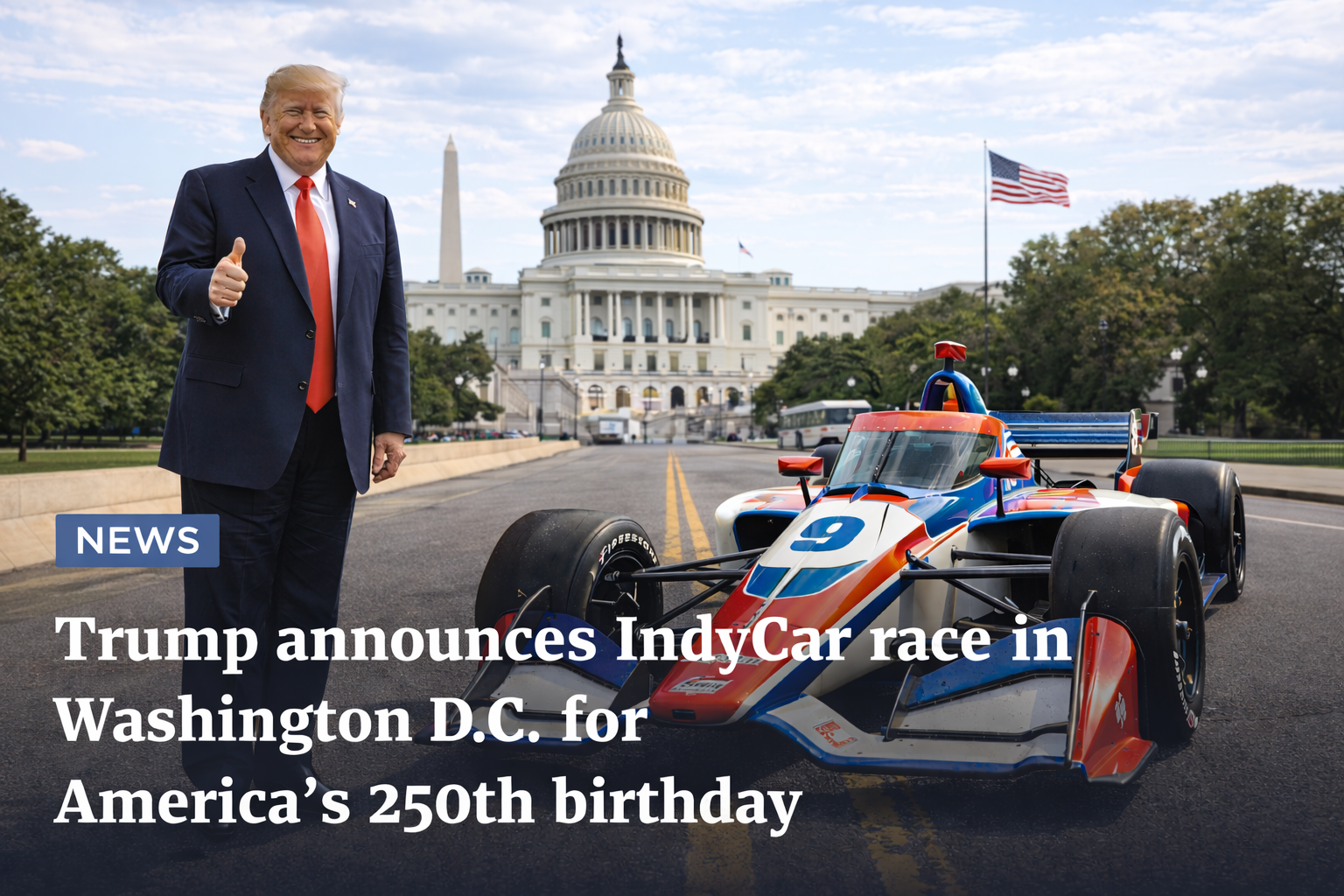
Political Fact-Checking Guide: Do Leaders Lie—and How to Prove It
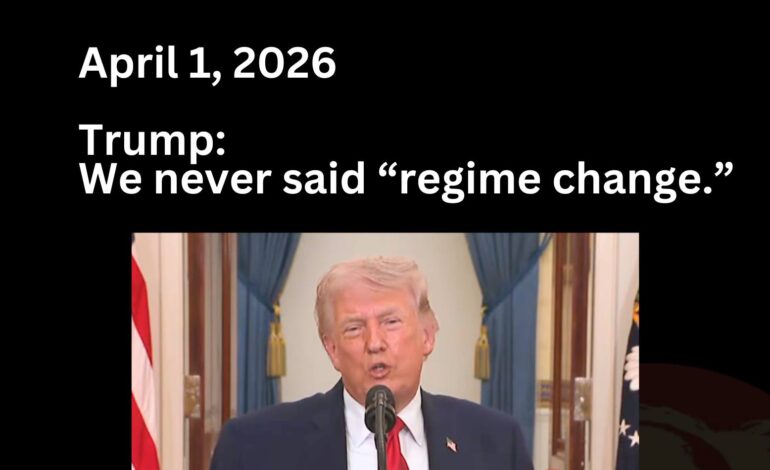

The Claim Everyone Shares—but Few Prove
“Everything this guy says is a lie.”
It’s one of the most common political statements online. Often aimed at figures like Donald Trump, it spreads quickly because it feels clear, emotional, and easy to agree with.
But here’s the problem:
Broad claims are powerful—but they’re rarely precise.
And in politics, precision is what gives arguments credibility.
So instead of repeating viral statements, this guide does something more useful. It shows you how to:
- Test whether a political claim is true or false
- Understand how misinformation spreads
- Build arguments that hold up under scrutiny
Quick Answer
Some political statements are false or misleading, but not all. The most reliable way to evaluate claims is to check original sources, compare multiple credible outlets, and review independent fact-checking organizations that provide evidence-based ratings.
Why “Everything Is a Lie” Feels True
Let’s start with psychology.
1. Pattern recognition
Humans are wired to:
- Notice repeated behavior
- Generalize quickly
If a politician makes several incorrect statements, it’s easy to assume:
“They always lie.”
2. Emotional reinforcement
Anger strengthens belief.
The stronger the reaction, the more certain we feel.
3. Social validation
If others repeat the same claim:
- It feels confirmed
- Even without evidence
What Counts as a Lie vs Misleading Claim?
Clear breakdown
| Type | Definition | Example |
|---|---|---|
| True | Fully accurate | Matches verified data |
| Misleading | Selective or incomplete | Leaves out key context |
| False | Factually incorrect | Contradicted by evidence |
| Lie | Intentionally false | Hard to prove intent |
Key insight
Intent is difficult to prove.
That’s why fact-checkers focus on accuracy, not motives.
Step-by-Step Political Fact-Checking Method
Featured snippet (list format)
To fact-check a political claim:
- Locate the original quote or full video
- Identify the date and context
- Compare coverage across multiple outlets
- Check independent fact-checking organizations
- Verify data through primary sources
Case Study: Evaluating Claims About Donald Trump
Few modern figures have been fact-checked as extensively.
What major fact-checkers show
Organizations like:
- PolitiFact
- FactCheck.org
Have analyzed thousands of statements.
Findings (general pattern)
- Some statements rated true
- Many rated misleading or false
- Patterns vary by topic
Important takeaway
Even heavily criticized figures:
- Do not make 100% false statements
- Require claim-by-claim analysis
How Memory, Media, and Bias Shape Perception
Recency bias
People remember recent statements more strongly than older ones.
Confirmation bias
We tend to believe:
- Claims that support our views
- Sources we already trust
Media framing
Different outlets emphasize different facts.
Why Viral Political Content Spreads So Fast
1. Simplicity wins
Short, emotional statements outperform complex explanations.
2. Shareability
Posts designed for engagement include:
- Strong language
- Clear villains
- Easy conclusions
3. Algorithm amplification
Platforms reward:
- Reactions
- Comments
- Shares
Deep Dive: How Fact-Checkers Actually Work
Step 1: Claim selection
They choose widely shared or influential claims.
Step 2: Evidence gathering
They review:
- Official records
- Data sources
- Expert analysis
Step 3: Rating system
Claims are categorized using consistent criteria.
Why this matters
Fact-checking is:
- Transparent
- Repeatable
- Evidence-based
Data, Statistics, and Selective Truth
One of the most common tactics is selective data use.
Example pattern
- A statistic is technically correct
- But missing key context
Result
The audience gets:
- A distorted conclusion
- Without realizing it
Emotional Language vs Evidence-Based Argument
Emotional framing sounds like:
- “Everything is a lie”
- “They always deceive”
Evidence-based framing sounds like:
- “This specific claim is inaccurate because…”
Why it matters
Specific claims:
- Are harder to dismiss
- Build credibility
Advanced Verification Techniques
Cross-reference strategy
Check:
- Multiple outlets
- Different political leanings
Timeline analysis
Ask:
- When was the statement made?
- Has the position changed?
Primary source check
Look for:
- Official transcripts
- Direct quotes
- Full videos
Real-World Example: How Misinterpretation Happens
A clip goes viral showing a statement.
Missing:
- Earlier context
- Follow-up clarification
- Policy details
Once added, the meaning can shift significantly.
Common Misconceptions
❌ “If one claim is false, all are false”
✔️ Each claim must be evaluated individually
❌ “Viral = verified”
✔️ Popular content is often less accurate
❌ “Fact-checkers are always biased”
✔️ Reputable ones show sources and methods
People Also Ask (FAQs)
How can I prove a politician is lying?
Use primary sources, compare outlets, and verify with fact-checkers.
Are fact-checking websites trustworthy?
Many are, especially those that cite evidence and methodology.
Why do people believe misinformation?
Because it aligns with beliefs and spreads emotionally.
Can misinformation be reduced?
Yes, through verification and media literacy.