My Elderly Neighbor Asked Me to Take His Photo Every Day for a Year

Mr. Harrison knocked on my door on January 1st.
He lived next door. Eighty-six years old. Widower. Kept to himself mostly. We’d exchanged pleasantries over the years but nothing deep.
“I need to ask you a favor,” he said.
“Sure, Mr. Harrison. What do you need?”
“I want you to take my photograph. Every single day. For one year.”
I blinked. “I’m sorry, what?”
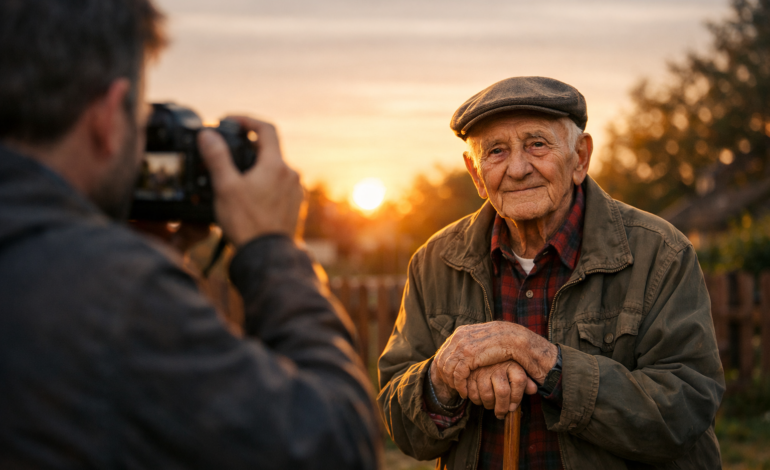
“One photo. Every day. Same time. Same place. My front porch. Can you do that?”
It was an odd request. But he looked serious.
“Why?” I asked.
“I have my reasons. Will you help me?”
Something in his eyes made me say yes.
So every day at 8 AM, I went next door and took Mr. Harrison’s photo. He’d be standing on his porch, always in the same spot. Sometimes smiling. Sometimes not. But always there.
For the first month, I thought he was eccentric. Maybe lonely. Maybe this was his way of making sure someone checked on him daily.
By month two, I noticed changes. Subtle ones. He was losing weight. His color was off.
“Mr. Harrison, are you feeling okay?” I asked one morning.
“Fine, fine. Keep taking the photos.”
By March, he’d lost significant weight. Moved slower. I started bringing him coffee during our photo sessions. Started staying to chat.
He told me about his wife, Margaret. How they’d been married sixty-two years. How she’d died two years ago and he’d been lost ever since.
“She was my everything,” he said. “My reason for waking up.”
“I’m sorry.”
“Don’t be. I had sixty-two beautiful years with her. More than most people get.”
April arrived. Mr. Harrison was noticeably frailer. I asked again if he was okay.
“The photos,” he said. “Keep taking them. That’s what matters.”
I started researching online. The weight loss. The fatigue. The way he’d wince when he moved.
I was pretty sure he was sick. Really sick.
In May, he confirmed it.
“I have pancreatic cancer,” he said matter-of-factly. “Diagnosed last December. Stage four. Not treating it.”
My heart dropped. “Mr. Harrison—”
“I’m eighty-six. Margaret’s gone. I’ve lived a good life. I’m ready.”
“Why the photos then?”
He smiled mysteriously. “You’ll understand. Keep taking them.”
June came. July. August. Mr. Harrison got thinner. Weaker. But every single morning at 8 AM, he was on that porch.
Some days he could barely stand. I’d help him outside. Take the photo. Help him back in.
“Why are you doing this?” I asked in September. “Why push yourself?”
“Because it matters. Trust me.”
By October, he needed a walker. By November, a wheelchair. But still, every morning. Same porch. Same time.
On December 15th, he didn’t answer his door.
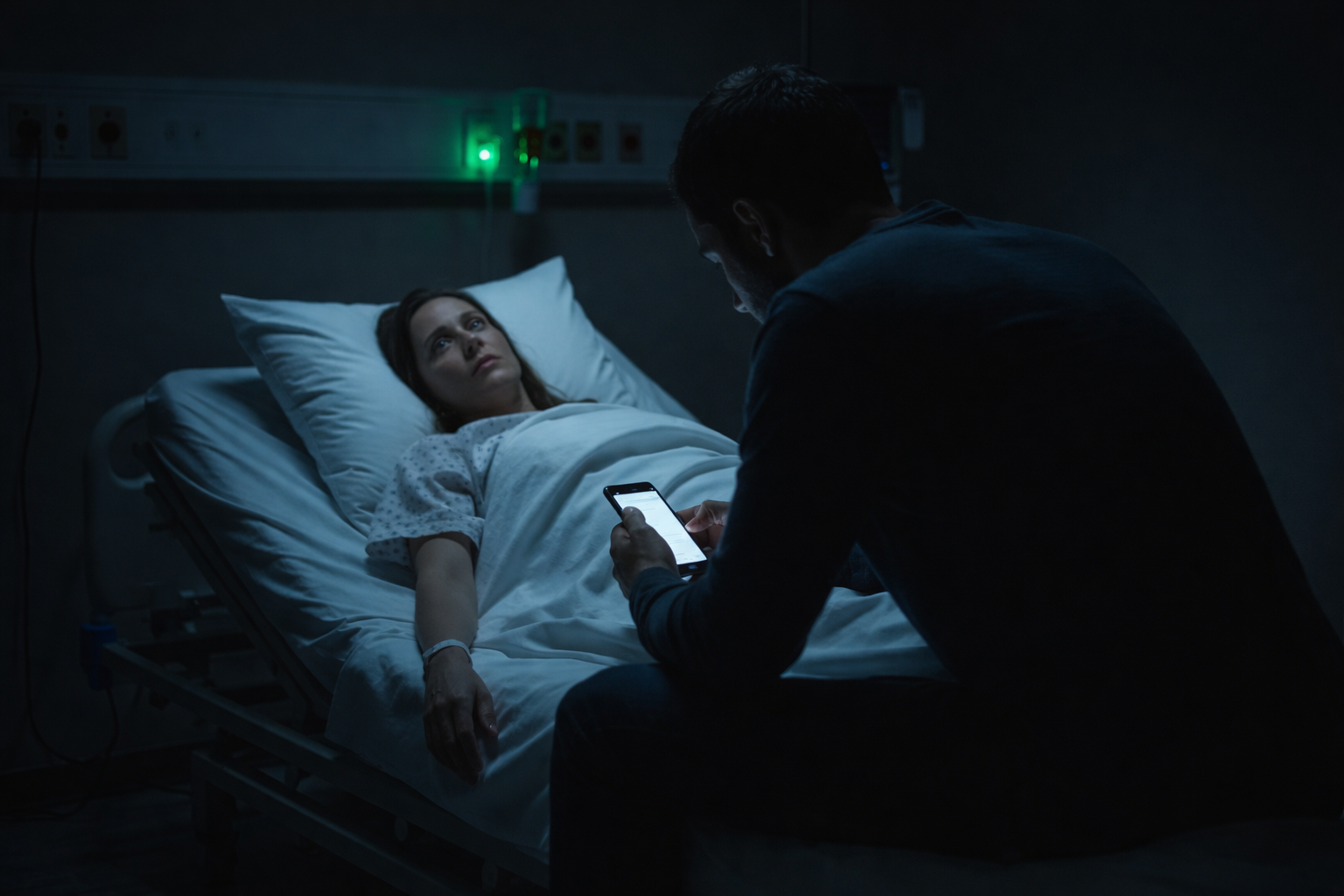
I found him inside, barely conscious. Called an ambulance.
At the hospital, the doctors said he had days. Maybe hours.
I sat with him. Held his hand.
“The photos,” he whispered. “In my house. Desk drawer. Envelope with your name.”
He died that night.
I went to his house the next day. Found the envelope.
Inside was a letter and a flash drive.
The letter read:
“Dear friend,
If you’re reading this, I’m gone. Thank you for humoring an old man and taking my photo every day.
You probably thought I was vain. Or crazy. Or processing grief in a strange way.
The truth is simpler and more complicated.
When Margaret died, I wanted to die too. I stopped eating. Stopped caring. Stopped living.
Then last December, I found out about the cancer. And instead of being scared, I was relieved. Finally, I could be with her again.
But then I thought about Margaret. About what she’d say if she knew I was giving up. She’d be furious.
Margaret always said every day was a gift. Even the hard ones. Even the painful ones.
So I made myself a promise. I would live every single day I had left. Really live it. Not just survive.
The photos were my accountability. If I could get to that porch every morning, I was still fighting. Still choosing to be here.
Some days it was agony. My body screamed at me to stay in bed. But I’d hear Margaret’s voice. ‘One more day, Harold. Give me one more day.’
So I did.
365 photos. 365 days of choosing life when death would have been easier.
The flash drive contains all the photos. I want you to make something with them. A video. A montage. Something.
Not for me. For the people who think it’s too late. Who think they’re too old. Too sick. Too broken.
Show them that every day matters. That you can be dying and still choose to live.
Thank you for being my witness. My accountability. My reminder that someone still saw me.
— Harold”
I sat in his empty house and cried.
Then I took the flash drive home and started working.
I created a time-lapse video. All 365 photos, in order, two seconds each.
Watching it was devastating and beautiful. You could see Harold deteriorating. Getting smaller. Weaker. Sicker.
But you could also see the determination. The defiance. The choice to keep showing up.
I posted the video online with Harold’s letter. Thought maybe a few people would see it.
It went viral.
Millions of views in a week. People sharing their own stories. Their own struggles. Their own decisions to keep choosing life.
A woman with MS said the video inspired her to get out of bed.
A man with depression said it reminded him that showing up matters.
A teenager with a chronic illness said Harold gave her hope.
I started getting messages. Hundreds, then thousands. People asking how they could honor Harold. How they could live like he did.
I created a foundation in his name. “Show Up: The Harold Harrison Project.”
We help people dealing with terminal illness, chronic pain, depression. We remind them that every day they show up is a victory.
We’ve funded adaptive equipment. Counseling. Support groups. Art therapy.
All because an eighty-six-year-old man with cancer decided to stand on his porch every morning.
I visit Harold’s grave every week. Tell him what’s happening. How many lives he’s touched.
Last week, I brought him a photo. It’s tradition now.
But this time, I brought someone else too.
A young woman. Twenty-three. Fighting bone cancer. She’d seen Harold’s video and asked to meet me.
We stood at his grave together.
“Mr. Harrison never knew what his choice would mean,” I told her. “He just knew he had to keep showing up.”
She looked at the headstone. At the inscription Margaret had chosen years ago when she’d bought their plots together:
“We’ll dance again.”
“I’m going to keep showing up too,” the woman said quietly. “For me. For him. For everyone who thinks it’s too late.”
She started her own photo project the next day. Six months in now. Still going.
That’s the thing about choosing life. It’s contagious.
Harold taught me that dying and living aren’t opposites. You can be doing both at the same time.
The question is which one you’re choosing. Which one gets your energy. Your focus. Your 8 AM.
I still take a photo every morning. Not of anyone else. Just something beautiful. Something worth noticing.
Because Harold was right.
Every day is a gift.
Even the hard ones.
Especially the hard ones.
Discover more from MatterDigest
Subscribe to get the latest posts sent to your email.