MAGA Supporters Cheering ICE vs TSA Workers: Who Really Deserves Praise?
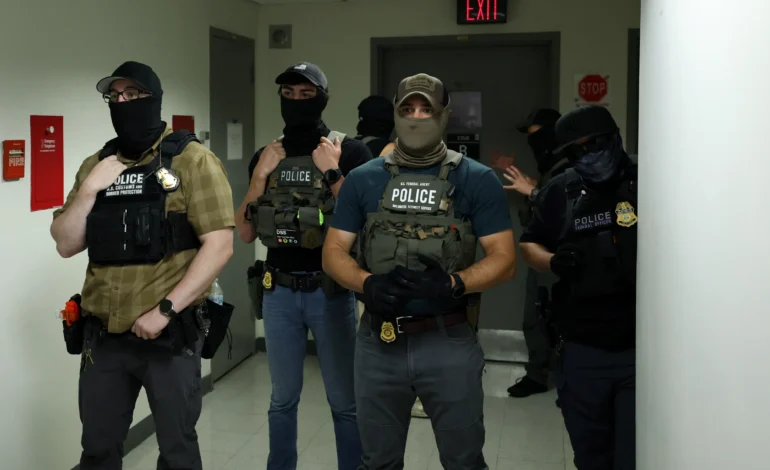

Across the United States, there’s been a heated debate about how certain government workers are recognized and compensated. Some supporters of former President Donald Trump, often called MAGA supporters, have shown overwhelming approval for ICE agents — officers responsible for enforcing immigration laws. At the same time, many everyday workers, such as TSA agents, who handle airport security and safety, receive little public praise and often earn far less.
This article explores the roles of ICE and TSA, public reactions to them, and what this situation tells us about how society values work.
Understanding ICE and TSA Roles
What ICE Agents Actually Do
Immigration and Customs Enforcement (ICE) is a federal agency responsible for enforcing immigration laws. Their duties include:
- Identifying people living in the U.S. without legal permission
- Detaining individuals who may face deportation
- Investigating crimes related to immigration
ICE officers sometimes work alongside local law enforcement. Their work is highly controversial because immigration is a politically charged issue. While some people see strict enforcement as protecting national borders, others argue that ICE actions harm communities and divide families.
TSA Workers: The Backbone of Airport Safety
The Transportation Security Administration (TSA) is another federal agency responsible for airport security. TSA employees are the people travelers see at checkpoints, scanning bags, checking IDs, and ensuring flights remain safe.
TSA workers handle:
- Carry-on and checked baggage screenings
- Passenger security screenings
- Assisting travelers with questions or issues
Their daily work impacts millions of people and is essential to the safety of U.S. air travel. Unlike ICE, TSA duties are less controversial but involve consistent, demanding work.
Why Some Supporters Cheer ICE Agents
There are several reasons why ICE often receives more public applause than TSA:
Political Identity and Symbolism
For some MAGA supporters, backing ICE aligns with their political beliefs. ICE represents strict law enforcement and border control — ideas central to certain political viewpoints.
Additionally, uniforms and authority symbolize power. People may cheer ICE agents more for what they represent than for the actual work they perform.
Media Influence on Public Perception
Media and social networks often highlight ICE actions in ways that emphasize heroism or newsworthiness. Viral videos or posts can make ICE appear more significant, while TSA work remains behind the scenes. This can amplify public admiration, even if the real impact of the work differs.
The Everyday Workforce: TSA Workers
Challenges TSA Employees Face
TSA agents face long shifts, physical strain, and constant interaction with travelers. Their jobs require:
- Focus and attention to detail
- Patience with frustrated passengers
- Understanding complex safety regulations
- Physical stamina and endurance
Despite these challenges, TSA agents often earn modest salaries. Many work under stressful conditions without receiving the recognition they deserve.
Why Recognition Often Goes Missing
TSA workers’ work is routine and largely invisible. Most travelers interact with them briefly, and their efforts become taken for granted. Unlike ICE, TSA work is not tied to politically charged debates, which reduces media coverage and public admiration.
How Society Values Work
Symbolism vs Service
The situation with ICE and TSA highlights a larger societal issue: people often praise symbolic authority over essential service. Uniformed officials with media presence are cheered for their image, while everyday heroes performing critical work are overlooked.
- ICE agents: Represent authority and political power
- TSA workers: Provide practical, daily safety and service
This gap between perception and actual contribution reflects how society sometimes misvalues work.
Public Opinion and Funding
Public praise often influences policy and funding decisions. Agencies receiving widespread attention may see larger budgets and more resources, while under-recognized groups remain underfunded. For instance:
- ICE agents receive higher pay and benefits, even in controversial roles
- TSA agents earn less and face significant job stress
This mismatch raises questions about fairness and how societies prioritize work.
A Broader Political Metaphor
Some observers view this situation as a metaphor for broader political trends:
The people society cheers are not always the ones who do the most essential work.
This applies beyond airports:
- Schools: Teachers educate millions but often get less praise than celebrity athletes.
- Healthcare: Nurses and technicians provide life-saving care, while administrators receive more recognition.
- Communities: Volunteers maintain daily life, yet often go unnoticed.
When symbolism outweighs actual service, society can misinterpret what is truly valuable.
Encouraging Fairness and Balanced Recognition
Listening to All Workers
To create a fairer society, it’s important to hear from all workers, not just those in the spotlight. Understanding the daily challenges faced by TSA agents or other service employees helps balance perception with reality.
Supporting Fair Pay and Respect
Recognition is important, but compensation matters even more. Ensuring workers receive fair pay, benefits, and safe working conditions strengthens essential services and morale. Policies should reward actual impact rather than symbolic presence.
How Citizens Can Make a Difference
Individuals can influence how work is valued:
- Express gratitude: Thank TSA workers or other service employees directly.
- Learn about their jobs: Understanding challenges increases appreciation.
- Advocate for fair pay: Support policies that ensure compensation matches effort.
- Share balanced narratives: Highlight real work in social media or conversations, not just symbolic roles.
By recognizing contribution over image, society can better honor those who make a tangible difference in daily life.
Conclusion: Matching Praise to Contribution
MAGA supporters cheering ICE agents at airports highlight a broader trend: society sometimes rewards symbolic authority over essential work. Meanwhile, TSA agents perform critical, daily tasks that keep millions safe, often without adequate recognition or pay.
Fairness requires balancing public praise, policy, and compensation with actual contribution. By understanding the true value of work — and celebrating those who perform it — we can create a society that respects service as much as symbolism.
Discover more from MatterDigest
Subscribe to get the latest posts sent to your email.