I Found a Phone in the Park with One Unread Message That Changed Everything
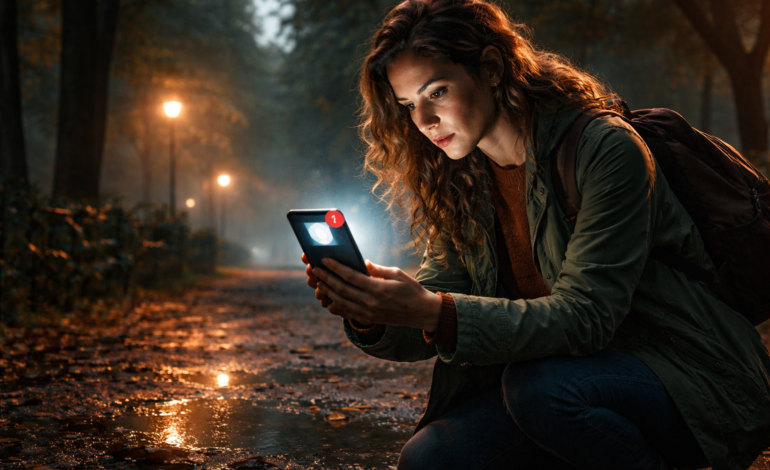

The phone was face-down in the grass near the playground.
I almost walked past it. Would have, except my daughter Lily pointed it out.
“Daddy, someone dropped their phone.”
It was an older model. Cracked screen. No case. I picked it up, intending to turn it in to the park office.
The screen lit up when I touched it. No password. Just a home screen with almost no apps.
And one unread text message.
“Please,” it said. “I need more time. I’m trying.”
I should have just taken it to the office. But something about that message bothered me.
The desperation in it.
I opened the message thread. The previous text was from the same number.
“You have until Friday. That’s it.”
My stomach tightened. Friday was tomorrow.
I scrolled up. The conversation went back months.
“I can get you the money. Just give me another week.”
“You said that last month. I’m done waiting.”
“Please. My daughter. She’s sick. I just need—”
“Not my problem.”
This wasn’t a normal conversation. This was someone in serious trouble.
I looked at the contact name. Just a number. No name.
Lily tugged my hand. “Can we go swing?”
“Yeah, sweetie. One second.”
I scrolled through the rest of the phone. No other messages. No call history. Nothing.
Just that one thread.
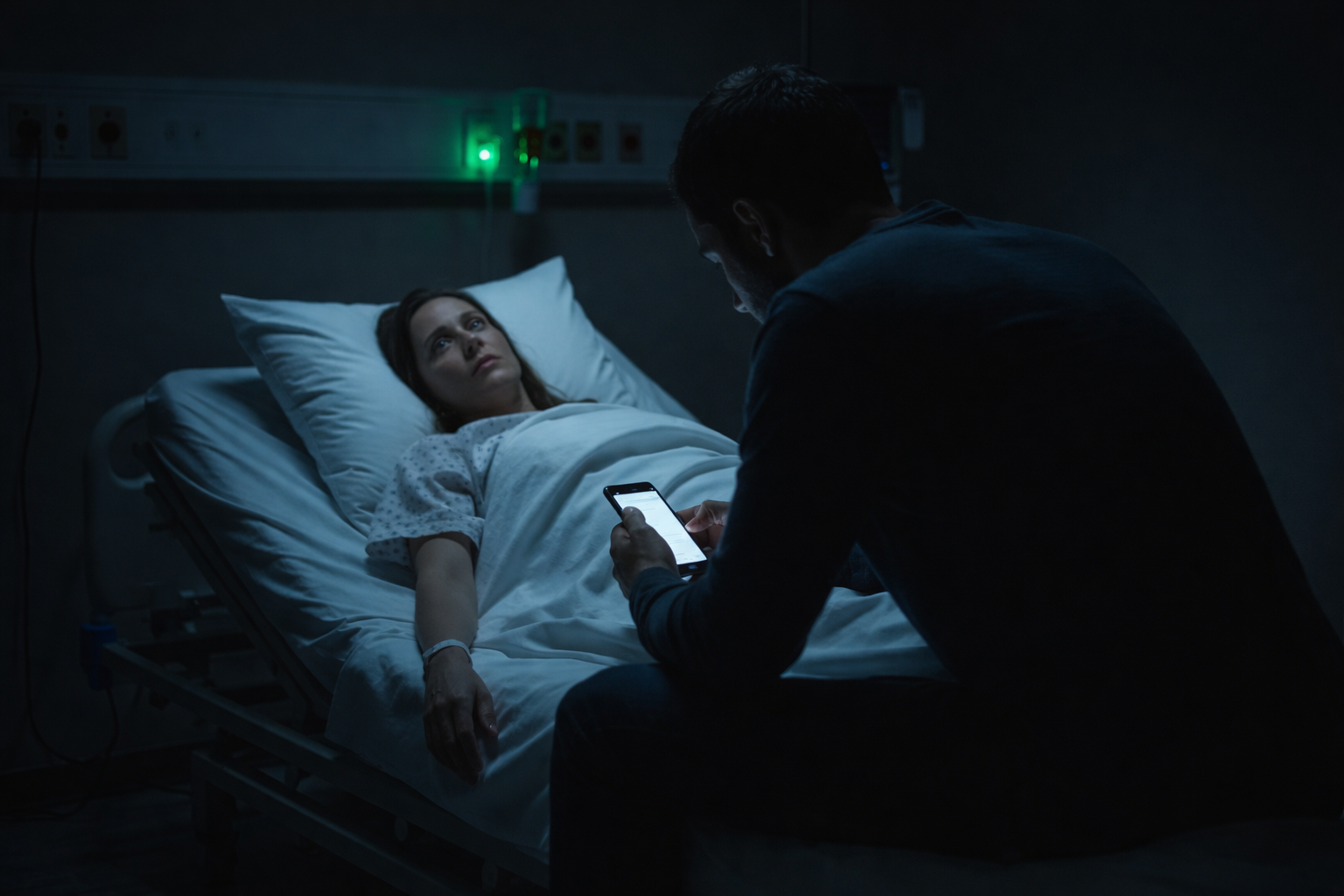
And photos. Hundreds of photos. All of the same little girl. Maybe eight years old. Brown hair. Big smile. In hospital beds. With IV lines. Wearing brave-face grins that didn’t hide the exhaustion in her eyes.
My chest ached.
The most recent photo was dated two days ago. The girl was sleeping, pale, thin. The caption read: “Stay strong, baby girl. Daddy’s going to fix this.”
I needed to find this person.
I went to the park office. Explained I’d found a phone. The teenager at the desk barely looked up.
“Just leave it here. If someone claims it, we’ll give it to them.”
“This is urgent. The owner might be in trouble.”
“Can’t help you, man. Privacy rules.”
I walked back to the playground, phone in hand. Lily was on the swings, happy.
What was I supposed to do? Call the police? Say I found a phone with a vaguely threatening text?
Then the phone buzzed.
New message.
“Last chance. Tomorrow. 3 PM. You know where.”
My hands went cold.
I did something probably illegal. I responded.
“I found this phone. Who is this?”
Three dots appeared. Disappeared. Appeared again.
Then: “Who are you?”
“I found this phone in the park. The owner dropped it. I’m trying to return it.”
Long pause.
“Where?”
“Riverside Park. By the playground.”
“Stay there.”
Twenty minutes later, a man approached. Mid-thirties. Exhausted eyes. Worn jacket. He looked around nervously.
“You have my phone?”
I handed it to him. “Are you okay?”
He grabbed it, checked the messages, went pale. “How much did you read?”
“Enough to know you’re in trouble.”
He started to walk away.
“Wait,” I said. “The girl in the photos. Your daughter. Is she okay?”
He stopped. Turned back. His eyes were red.
“She has leukemia. Treatment’s expensive. Insurance won’t cover it all.” His voice broke. “I borrowed money from the wrong people. Can’t pay it back.”
“How much do you owe?”
“Fifteen thousand. Might as well be a million.”
My mind raced. “What happens tomorrow at 3 PM?”
“They take their payment another way.” He touched his ribs. “Not the first time.”
I thought about Lily. About what I’d do if she were sick. What rules I’d break. What risks I’d take.
“What’s your name?” I asked.
“David.”
“I’m Tom.” I took a breath. “I might be able to help.”
“I don’t need charity.”
“Not charity. A loan. Real one. With paperwork. You pay me back when you can. No interest.”
He stared at me. “Why would you do that?”
“Because someone helped me once. When my wife was sick. A stranger gave us money for her treatment. Wouldn’t tell us his name. Just said to pay it forward someday.”
That was eight years ago. Before Lily was born. Before Sarah got better.
“I’ve been waiting for the right moment to pay it forward,” I said. “I think this is it.”
David started crying right there in the park.
We sat on a bench. I called my bank. Arranged a transfer. Had my lawyer draw up a simple loan agreement. No penalties for late payment. Just a promise to pay it back when possible.
At 2:45 PM the next day, David met the person he owed money to. Paid them in full.
His daughter, Emma, started her next round of treatment the following week.
I met her a month later. David insisted on introducing us.
She was tiny but fierce. Told me about how she wanted to be a doctor someday. Help other kids like her.
“That’s a great dream,” I said.
“Daddy says you saved us,” Emma said.
“No. Your dad saved you. I just helped.”
David and I became friends. He paid me back over three years. Every cent. Even though I told him not to rush.
Emma’s in remission now. Has been for two years.
Last week, David called me.
“I found someone who needs help,” he said. “Single mom. Kid with a heart condition. Can’t afford the surgery.”
“How much does she need?”
“Twenty thousand.”
“Let’s split it,” I said.
We met her the next day. Set up the same arrangement. A loan, not charity. Pay it forward when you can.
She cried the same way David had.
Yesterday, I got a message from an unknown number.
“I heard about what you did. I want to help too. How does this work?”
It was someone David had told. Someone who wanted to be part of the chain.
We’re up to twelve people now. Helping families with sick kids. No publicity. No tax write-offs. Just strangers helping strangers.
All because I picked up a phone in the park.
All because someone helped me eight years ago.
I still don’t know who that person was. The one who saved Sarah.
But I like to think they’d be proud of what their kindness grew into.
Lily’s nine now. Old enough to understand.
“Why do we help people we don’t know?” she asked last night.
“Because someday you might need help,” I said. “And when you do, I hope a stranger picks up a phone. Reads a message. And decides to care.”
She thought about that. “When I grow up, I want to help too.”
“You will, sweetie. You will.”
Sometimes one act of kindness doesn’t just change one life. It starts a chain reaction that spreads further than you’ll ever know.
And sometimes the most important thing you’ll ever do starts with picking up something someone else dropped.
Discover more from MatterDigest
Subscribe to get the latest posts sent to your email.