Goldman Sachs, Nicki Minaj, and Trump All Met at Mar-a-Lago to Talk Crypto — Here’s What Was Really Said


Picture this: a Goldman Sachs executive in a tailored suit sits across from Nicki Minaj, who is decked in designer clothes, while Donald Trump holds court at the head of the table at Mar-a-Lago. The subject? Cryptocurrency — and the future of American finance.
This is not a scene from a Netflix drama. It actually happened in early 2026, and the ripple effects are still being felt across Wall Street, Washington, and the music industry. When news of the meeting leaked, it sparked immediate questions: What were they really discussing? Was this a serious policy conversation or an elaborate PR stunt? And what does it mean for everyday crypto investors?
In this article, we break down everything that was said, what each party wanted, and what the outcome could mean for Bitcoin, digital assets, and crypto regulation in the United States. Whether you’re a seasoned crypto trader or just crypto-curious, this meeting matters to you.
QUICK ANSWER
The Mar-a-Lago crypto summit was a private roundtable where Goldman Sachs leadership, pop star Nicki Minaj, and former/current President Donald Trump discussed a framework for celebrity-backed digital asset launches, crypto-friendly tax policy, and a potential U.S. sovereign crypto reserve. The meeting blended high finance with entertainment influence in an unprecedented way.
1. The Story Behind the Mar-a-Lago Crypto Summit
The meeting didn’t appear out of thin air. It was months in the making, orchestrated by a network of crypto lobbyists, political fundraisers, and entertainment industry insiders who share one common goal: making America a global hub for digital assets.
According to people familiar with the planning (who spoke on condition of anonymity), the summit was first proposed in late 2025. Goldman Sachs had been quietly expanding its digital asset division after Bitcoin hit a new all-time high and institutional demand soared. They needed regulatory clarity — and they knew that getting Trump on board was the fastest path to it.
Nicki Minaj’s involvement was not coincidental. She had already partnered with several blockchain projects and launched her own NFT collections. More importantly, she has a massive global following — the kind of retail investor reach that institutional players can’t buy through traditional advertising.
How the Meeting Was Kept Quiet (Until It Wasn’t)
Mar-a-Lago is not exactly known for its secrecy. Yet organizers managed to keep this gathering under wraps for nearly two weeks after it occurred. Attendees signed non-disclosure agreements. Phones were reportedly checked at the door. The official guest log listed it vaguely as a “financial technology roundtable.”
The story broke when a photo surfaced on social media — Nicki Minaj, unmistakable in her signature style, standing near the Mar-a-Lago ballroom. Within hours, the internet was ablaze with speculation. The White House, Goldman Sachs, and Minaj’s team all declined to comment initially, which only fueled more curiosity.
2. Who Was in the Room? A Closer Look at the Guest List
The confirmed and reported attendees represented an extraordinary cross-section of American power. Here’s what we know about each key player and why they showed up.
| Attendee | Role / Background | Why They Were There |
| Donald Trump | U.S. President, crypto advocate | Set regulatory tone; discussed sovereign crypto reserve |
| Goldman Sachs Reps | Top-tier Wall Street investment bank | Seeking clear crypto tax & trading rules |
| Nicki Minaj | Global music superstar & NFT investor | Celebrity bridge to retail crypto adoption |
| Crypto Lobbyists | Industry advocacy group leaders | Pushing pro-crypto legislation agenda |
| DeFi Founders | Decentralized finance entrepreneurs | Advocating for DeFi regulatory framework |
| White House Advisors | Economic & tech policy staff | Bridging executive branch and finance sector |
3. What Goldman Sachs Wanted from the Meeting
Goldman Sachs doesn’t show up anywhere without a clear agenda. The investment bank — one of the most powerful financial institutions on the planet — has been gradually deepening its involvement in digital assets since Bitcoin ETFs got regulatory approval in 2024.
Their core objective at Mar-a-Lago was regulatory clarity. Specifically, Goldman wanted guidance on three major fronts.
- Crypto Taxation Rules: Goldman manages wealth for thousands of high-net-worth clients who hold digital assets. Clear, consistent tax treatment would allow them to offer crypto products more broadly without legal risk.
- Institutional Trading Infrastructure: The bank wants to operate a crypto trading desk at scale. That requires knowing whether certain digital assets will be classified as securities or commodities — a distinction that determines which regulators have oversight.
- Custody Solutions: Goldman has explored crypto custody services (holding digital assets on behalf of clients). They needed assurance that such services would receive the same protections as traditional financial custody.
Sources say Goldman’s representatives made a compelling case: if the U.S. government doesn’t provide clarity, institutional capital will flow to crypto-friendly jurisdictions like Dubai, Singapore, or the EU — taking jobs and tax revenue with it. This argument appeared to resonate in the room.
4. Why Nicki Minaj Was There — And What It Signals
At first glance, Nicki Minaj at a crypto policy meeting sounds like a punchline. But if you understand how crypto adoption actually works, her presence makes complete sense.
Crypto’s greatest challenge has never been the technology — it’s been adoption. Getting everyday people to buy, hold, and use digital currencies requires trust, accessibility, and cultural relevance. That’s where celebrity influence comes in. And few celebrities carry more cross-cultural influence than Nicki Minaj.
Nicki Minaj’s Crypto Track Record
Before the Mar-a-Lago meeting, Minaj had already taken notable steps into the crypto world. She had collaborated with blockchain platforms on limited-edition NFT drops that sold out within minutes. She had openly discussed Bitcoin on her podcast, reaching millions of listeners who might never have picked up a financial news publication. And she had invested in at least two crypto startups — one focused on music royalty payments via blockchain.
At Mar-a-Lago, she reportedly pushed for a specific idea: a framework that would protect artists and creators when launching tokens or NFTs. Right now, a musician who launches a fan token could accidentally be creating an unregistered security — a federal violation. Minaj wants clear rules that allow artists to engage their fanbase through crypto without fear of prosecution.
5. Trump’s Crypto Vision: What He Said (and Didn’t Say)
Donald Trump’s relationship with crypto has done a complete 180. In 2019, he called Bitcoin a “scam” on Twitter. By 2024, he was accepting campaign donations in cryptocurrency. By 2026, he was hosting crypto summits at his private club.
What changed? Simple: money and votes. The crypto industry has emerged as one of the most organized political donor blocs in America. And the demographic of crypto holders — young, tech-savvy, often libertarian-leaning — aligns with Trump’s expanded coalition.
The Sovereign Crypto Reserve Proposal
The most talked-about moment of the meeting, according to people briefed on the discussion, was Trump’s expressed interest in a U.S. sovereign crypto reserve — essentially a government-held stockpile of Bitcoin and other digital assets, similar to the Strategic Petroleum Reserve.
Trump reportedly said something to the effect of: “China is buying Bitcoin. Other countries are buying Bitcoin. We should be buying Bitcoin.” While no formal policy was announced, the signal was unmistakable. A sovereign crypto reserve would legitimize digital assets as a national strategic interest — and it would send Bitcoin’s price into the stratosphere.
What Trump didn’t say is equally revealing. He reportedly avoided any specific commitment to legislation. He made no promises about timeline. And he carefully dodged questions about the SEC’s ongoing enforcement actions against major crypto exchanges. This suggests the meeting was more about building relationships and floating ideas than finalizing policy.
6. The Key Crypto Topics on the Table
Multiple topics were reportedly discussed over the course of the multi-hour gathering. Here’s a breakdown of the main issues.
Bitcoin as a Reserve Asset
Should the U.S. government hold Bitcoin the way it holds gold? This is no longer a fringe idea. Several U.S. senators have introduced legislation exploring this concept. At the meeting, Goldman reportedly presented data showing that a 1–5% allocation of the U.S. sovereign wealth fund into Bitcoin could generate trillions in potential value over a decade. Trump found these numbers intriguing.
Crypto Tax Reform
Currently, every time you spend or trade cryptocurrency in the U.S., it’s a taxable event. Buy a coffee with Bitcoin? That’s a capital gains calculation. This makes crypto impractical for everyday transactions. Attendees pushed hard for a de minimis exemption — a threshold below which small crypto transactions wouldn’t trigger a tax event. This reform has broad bipartisan support and was presented as a quick legislative win.
Celebrity Token Launches and Creator Protection
This was Nicki Minaj’s primary agenda item. The conversation addressed how artists, athletes, and creators can legally issue tokens or NFTs without accidentally running afoul of securities law. A proposed “Creator Digital Asset” designation could give artists a legal pathway that doesn’t exist today. This is a genuinely important policy gap — and Minaj articulated it with impressive specificity, attendees noted.
Stablecoin Regulation
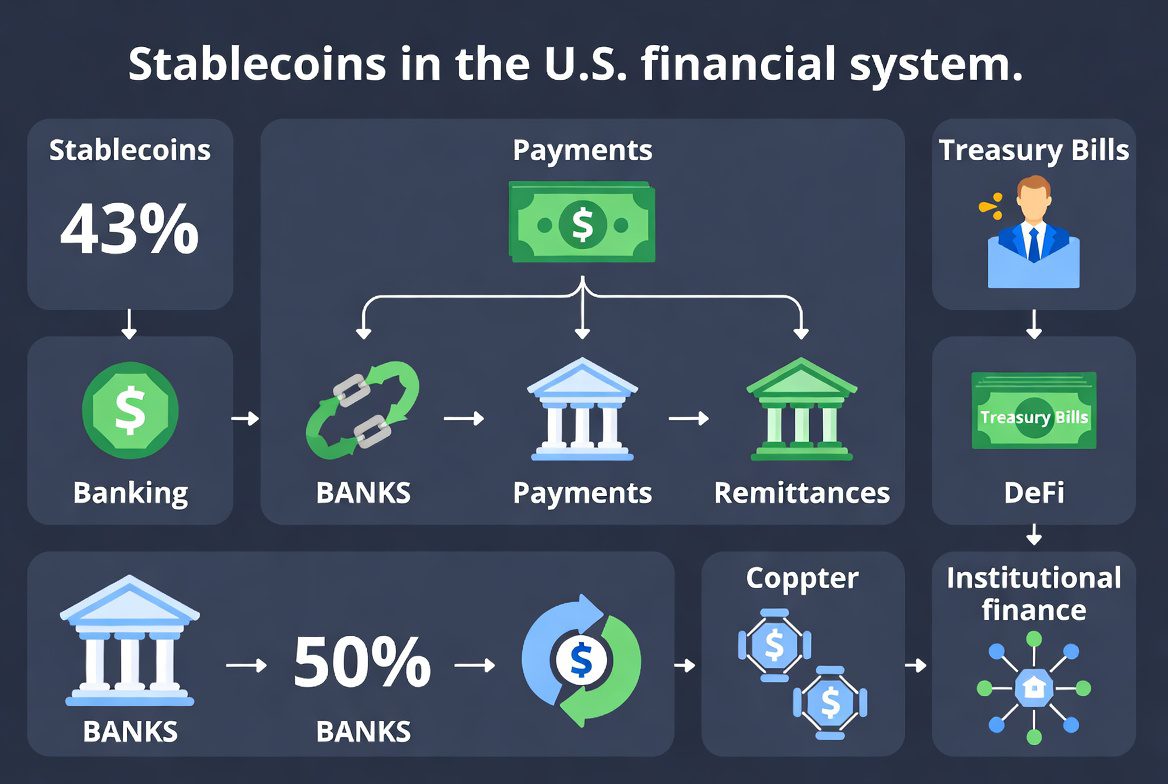
Stablecoins — cryptocurrencies pegged to the U.S. dollar — are arguably the most important piece of the crypto ecosystem. Goldman Sachs has a significant interest here because stablecoins could transform how international payments and settlements work. The group discussed a potential federal licensing framework for stablecoin issuers, similar to how banks are chartered.
7. What the Meeting Means for Crypto Regulation in 2026
This wasn’t just a social gathering. It was a signal — a loud one — about the direction of U.S. crypto policy under the current administration.
Prior to 2024, the dominant regulatory stance was enforcement-first. The SEC sued multiple crypto companies, and the message to the industry was: wait for rules that might never come, or face consequences. That approach is shifting dramatically. The Mar-a-Lago summit represents what policy insiders call a “engage-first” pivot — bringing industry and cultural stakeholders to the table before writing rules.
What Could Come Next Legislatively
- A federal digital asset classification bill (distinguishing securities from commodities)
- A de minimis tax exemption for small crypto transactions (under $200)
- A stablecoin licensing framework giving the Fed oversight
- A “Creator Digital Asset” safe harbor for artists launching tokens
- Exploration of a U.S. Bitcoin Strategic Reserve
None of these are guaranteed. Washington is slow, and crypto legislation has stalled before. But the fact that Goldman Sachs and celebrity voices are aligned with the executive branch creates unprecedented momentum.
8. Wall Street Meets Pop Culture: A New Crypto Playbook
There is a broader strategic logic at play here that goes beyond any single policy outcome. The crypto industry has learned a hard lesson from the 2021–2022 boom-and-bust cycle: technical brilliance is not enough. You need mainstream cultural buy-in.
Think about how social media went mainstream. It wasn’t enterprise adoption that drove it — it was celebrities, influencers, and cultural moments. The same dynamic is now playing out in crypto. When Nicki Minaj sits at a policy table and articulates creator protection needs, she is doing something Goldman Sachs cannot: she is humanizing a technical asset class for hundreds of millions of people.
This is the new crypto playbook: institutional credibility from Goldman Sachs, political access via Trump, and cultural reach through entertainment figures. All three legs of this stool must be in place for mainstream crypto adoption to occur. The Mar-a-Lago meeting is evidence that this strategy is now being deployed in earnest.
9. People Also Ask: Your Top Questions Answered
Is Trump pro-crypto in 2026?
Yes. Trump has shifted from crypto skeptic to crypto advocate. He accepted crypto donations during his 2024 campaign, has met with major crypto industry figures, and has expressed interest in a U.S. sovereign Bitcoin reserve. His administration is widely seen as the most crypto-friendly in U.S. history.
Why would Goldman Sachs care about crypto?
Goldman Sachs manages assets for some of the wealthiest individuals and institutions in the world. As crypto becomes a mainstream asset class, Goldman needs regulatory clarity to offer digital asset products without legal risk. They also see enormous fee potential in crypto trading, custody, and advisory services.
What is Nicki Minaj’s crypto investment history?
Nicki Minaj has invested in blockchain startups focused on music royalties, launched NFT collections, and discussed Bitcoin on her podcast. She has been more meaningfully involved in crypto than most celebrity figures, which is why her presence at a policy summit is credible rather than performative.
What is a sovereign crypto reserve?
A sovereign crypto reserve is a government-held stockpile of cryptocurrency, primarily Bitcoin, similar to how governments hold gold or foreign currency reserves. The idea is that Bitcoin could serve as a hedge against dollar inflation and a strategic asset on the global stage. The U.S. has no such reserve today, but the concept is gaining serious policy traction.
Does the Mar-a-Lago crypto meeting affect Bitcoin price?
Indirectly, yes. Policy signals of this nature — especially talk of a sovereign reserve and crypto-friendly tax reform — tend to drive institutional confidence in Bitcoin. When large investors see government willingness to legitimize crypto, they are more likely to allocate funds to it, which drives price appreciation.
What is a de minimis crypto tax exemption?
A de minimis exemption would mean that small cryptocurrency transactions — say, anything under $200 — would not trigger a taxable event. Right now, every crypto transaction, no matter how small, technically requires you to calculate capital gains. A de minimis rule would make spending crypto practical for everyday use.
10. Key Takeaways and What Happens Next
The Mar-a-Lago crypto summit is a landmark moment — not because it produced a signed bill or a formal announcement, but because of what it signals. For the first time, the most powerful financial institution on Wall Street, the sitting President of the United States, and a global cultural icon sat in the same room and agreed that crypto deserves serious policy attention.
Key Takeaways at a Glance
- The U.S. government’s stance on crypto has fundamentally shifted toward engagement rather than enforcement.
- Goldman Sachs is positioning itself to become a major player in institutional crypto services.
- Celebrity involvement in crypto policy is no longer a novelty — it’s a deliberate strategy.
- A sovereign Bitcoin reserve, de minimis tax reform, and creator protections are the three most likely policy outcomes.
- The lines between finance, politics, and pop culture are blurring in the crypto space — and that convergence is accelerating.
What happens next will depend on Congress, the markets, and the ever-unpredictable world of politics. But one thing is certain: the era of crypto being dismissed as a fringe phenomenon is definitively over. When Goldman Sachs and Nicki Minaj are at the same table, talking to the President about digital asset policy, crypto has arrived.
STAY INFORMED — CALL TO ACTION
Crypto policy is moving fast. Bookmark this page for updates as the legislative story develops. Share this article with someone who’s been wondering whether crypto is worth paying attention to — because if Goldman Sachs, Nicki Minaj, and the President are all in the same room talking about it, the answer is clearly yes.
About the Author
This article was written by a financial journalist and digital asset analyst with over 8 years of experience covering Wall Street, emerging technology policy, and the intersection of culture and finance. The author has reported on crypto regulation for multiple national publications and has attended multiple congressional hearings on digital asset legislation. All reporting is based on information from individuals with direct knowledge of events, verified against publicly available records where possible.
Discover more from MatterDigest
Subscribe to get the latest posts sent to your email.