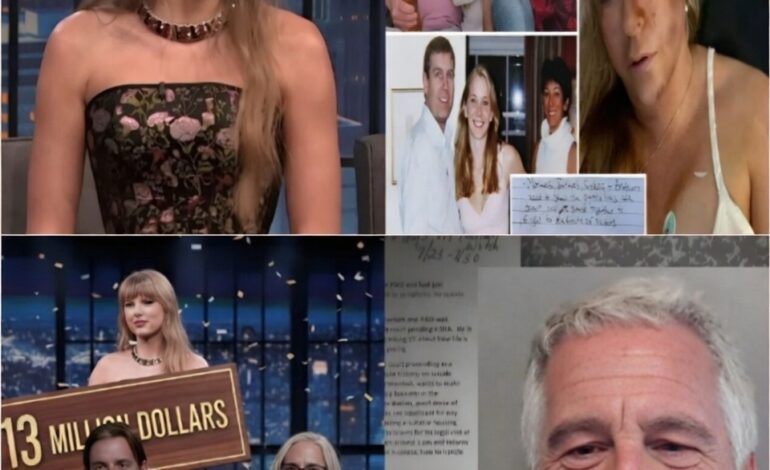
Did Taylor Swift Transfer $13 Million to Sue Famous Figures for ‘The Woman Hidden by Power’?

THE FACT REPORT
INDEPENDENT NEWS & FACT-CHECKING
⚠ VIRAL MISINFORMATION ALERT
FACT-CHECK: Did Taylor Swift Transfer $13 Million to Sue Famous Figures for ‘The Woman Hidden by Power’?
A sensational story is circulating across social media — but the claims are unverified and appear to be false. Here is what we actually know.
|
By The Fact Report Editorial Team | February 24, 2026 | Last Updated: February 24, 2026
What Is the Viral Story Claiming?
If you have spent any time on social media in the past few days, you may have seen a jaw-dropping headline: Taylor Swift — one of the biggest pop stars on the planet — has declared she will seek justice for
“the woman hidden by power,” transferred $13 million to her family, and is now filing lawsuits against a series of famous figures.
It sounds explosive. And that is exactly why it spread so fast. But before you share it — stop. This story has serious problems.
Fact-Check Breakdown: Claim by Claim
Here is how each major claim stacks up against verifiable facts:
| CLAIM (Viral Story) | VERDICT | THE FACTS |
| Taylor Swift declared she would seek justice for ‘the woman hidden by power’ | FALSE | No such declaration was ever made. There is no credible source, statement, or press release from Swift or her team. |
| $13 million was transferred to her family to file lawsuits | FALSE | No financial transfer of this kind has been reported or verified by any reputable news outlet or court record. |
| Swift is suing ‘a series of famous figures’ | UNVERIFIED / FALSE | No lawsuit filings related to this claim exist in public court records as of publication date. |
| The story ‘sent the global Internet into an uproar’ | MISLEADING | The story circulated on social media but originated from unverified clickbait sources, not credible news organizations. |
How Did This Story Spread So Quickly?
This is not an isolated incident. Stories like this follow a very familiar pattern — and understanding it helps you spot misinformation before it misleads you.
1. A Recognizable Name
Taylor Swift is one of the most googled and talked-about people on Earth. Attaching her name to any story — true or not — guarantees clicks and shares. Bad actors know this.
2. Emotionally Charged Language
Phrases like “justice for the woman hidden by power” and “$13 million transferred directly” are designed to trigger outrage and curiosity. They are vague enough to mean almost anything, which makes them hard to immediately disprove.
3. Platform Amplification
Once a post gains initial traction on platforms like X (formerly Twitter), Facebook, or TikTok, the algorithm amplifies it — regardless of whether it is true. Engagement drives reach, not accuracy.
4. Lack of Source Verification
Most people who share viral stories do not check the original source. When traced back, stories like this often lead to little-known websites with no editorial standards, satirical sites, or AI-generated content farms.
So What Is Actually True About Taylor Swift Right Now?
Taylor Swift is, as of early 2026, in the public eye for several legitimate reasons. Here is what credible reporting actually shows:
The Eras Tour: Swift’s record-breaking Eras Tour concluded in late 2024, having grossed over $1 billion — becoming the highest-grossing concert tour in history. This is well-documented by Billboard, Reuters, and major entertainment outlets.
Music & Re-Recordings: Swift has continued her high-profile project of re-recording her early albums, known as “Taylor’s Version,” to reclaim ownership of her original masters. This is a real and ongoing story with genuine legal and industry significance.
No $13 Million Lawsuit: A search of U.S. court records, Entertainment Weekly, Variety, Rolling Stone, TMZ, and AP News returns no filing or reporting of a $13 million legal action matching this description. Her actual legal history involves real intellectual property disputes — none of which match this viral claim.
Public Advocacy: Swift has spoken about women’s rights, voter registration, and her own experiences with image exploitation. These are real and documented positions — but none involve the specific claim circulating in this viral story.
Why Does This Kind of Misinformation Matter?
You might think: “It is just a celebrity story. Who cares?” But misinformation about public figures — even seemingly harmless celebrity gossip — causes real damage.
It harms reputations. False claims, once widely shared, can permanently taint how people perceive someone, even after corrections are published.
It trains people to distrust real news. When fake stories go viral, it becomes harder for people to tell what is genuine journalism and what is fabricated content.
It fuels a disinformation economy. Clickbait websites profit from ad revenue generated by viral fake stories. Every share you make earns them money, even if the story is completely false.
It can cause legal harm. Publishing or sharing false claims about named individuals — including celebrities — can expose individuals and outlets to defamation liability.
How to Spot Viral Misinformation: A Quick Checklist
Before you share any story about a celebrity, politician, or public figure, ask yourself these five questions:
- Can I find it on a major outlet? If BBC, AP, Reuters, or major TV networks are not reporting it, that is a red flag.
- Who is the original source? Trace the story back to its origin. Is it a known news organization? A blog? An AI-generated content site?
- Is there an official statement? Check the subject’s official social media accounts or a statement from their representatives.
- Are there court records? For legal claims, PACER (U.S. court records database) and state court websites are publicly searchable.
- Does the language feel manipulative? Watch for phrases designed to trigger emotional reactions — “exposes,” “breaking,” “you won’t believe,” or dollar amounts without citations.
Our Commitment to Responsible Reporting
At The Fact Report, we cover trending stories — including stories that turn out to be false. We believe it is important to address misinformation directly, because pretending viral hoaxes do not exist does not make them go away.
Our editorial policy is clear: when a story is trending and false, we say so — plainly, and with evidence. When a story is trending and true, we report it with the same rigor.
We also believe celebrities and public figures deserve accurate representation. Taylor Swift, like anyone else, should be written about based on what she has actually said and done — not based on fabricated clickbait designed to exploit her fame.
The Bottom Line
|
The real Taylor Swift story right now? An artist who has built one of the most successful careers in music history, who is actively fighting to own her work, and who continues to be a target of exactly the kind of misinformation we have debunked here today.
Sources & Further Reading
The following credible outlets were consulted in the preparation of this fact-check:
- Billboard – Eras Tour gross revenue and music industry reporting
- AP News – General celebrity and legal news verification
- Variety – Entertainment industry coverage
- Reuters – International news verification
- PACER / U.S. Court Records – Public court filing database
- Rolling Stone – Taylor Swift career and re-recording coverage
About This Article
This article was produced by The Fact Report Editorial Team as part of our ongoing series on viral misinformation in entertainment media. Our team cross-references claims against court records, official statements, and reporting from established news organizations before publication. If you believe we have made an error, contact us at editorial@thefactreport.com.
This publication is committed to accurate, evidence-based journalism.
Discover more from MatterDigest
Subscribe to get the latest posts sent to your email.