Trump–Iran War Claims Explained: Facts vs Fiction
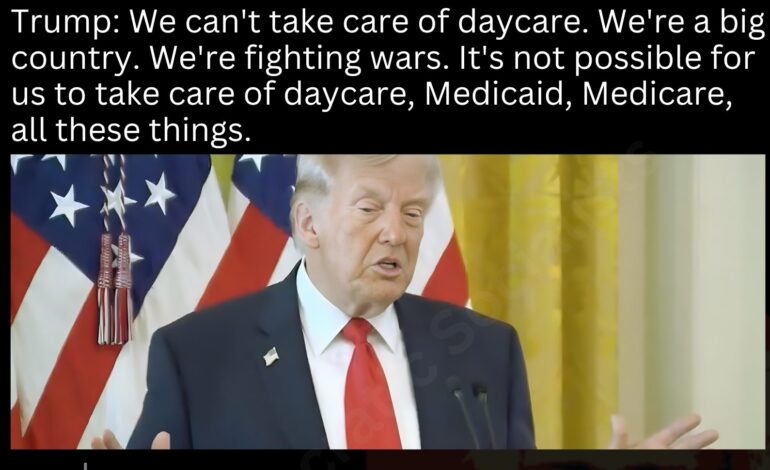

Big Claims, Bigger Questions
A viral narrative is circulating online. It claims the United States is now at war with Iran, that it has already cost $40 billion, and that this represents a major political reversal tied to Donald Trump and JD Vance.
That’s a powerful story. It mixes politics, war, and money—three things that grab attention fast.
But when you slow it down and check the facts, a different picture emerges.
This guide walks you through:
- Whether the U.S. is actually at war with Iran
- What was really said in 2024
- Where the $40 billion figure may come from
- How modern conflicts actually work
Quick Answer
As of 2026, the United States is not formally at war with Iran. There is no official declaration of war, and no verified $40 billion cost tied to a new U.S.–Iran war. Current tensions involve indirect conflict, regional deployments, and deterrence—not full-scale war.
Are the U.S. and Iran at War Right Now?
No. The United States has not declared war on Iran.
What is happening instead?
- Military presence in the Middle East
- Tensions involving regional allies
- Occasional strikes or defensive actions
These are serious developments. But they do not equal a declared war.
Simple analogy
Think of it like this:
- War = full-scale, sustained conflict
- Current situation = high tension with limited engagement
What Did JD Vance Say in 2024?
In 2024, JD Vance publicly argued against a war with Iran.
His core points:
- War would be expensive
- It would distract from domestic priorities
- It could destabilize the region further
Important context
Political statements:
- Reflect priorities at a moment in time
- Often assume certain conditions
- Do not guarantee future outcomes
This is true across all political figures—not just one.
Understanding Modern U.S.–Iran Tensions (2024–2026)
The relationship between the U.S. and Iran has been tense for decades.
Current situation includes:
- Economic sanctions
- Cyber and intelligence operations
- Indirect conflict through regional actors
What is NOT happening:
- No invasion of Iran
- No continuous battlefield combat between U.S. and Iranian forces
- No formal war declaration
Breaking Down the “$40 Billion” Claim
Featured
There is no publicly verified evidence that the U.S. has spent $40 billion on a new war with Iran. Large figures often combine broader military spending, including regional deployments, aid, and long-term defense budgets.
Where could this number come from?
Large defense figures often get misunderstood. They may include:
- Annual Pentagon spending (over $800 billion)
- Military aid to allies in the region
- Costs of maintaining bases and troop readiness
- Naval operations and air patrols
What Counts as War? (Legal vs Real-World Meaning)
Legal definition
In the U.S., war typically involves:
- Congressional authorization
- Or a formal declaration
Modern reality
Since World War II:
- Many conflicts happen without formal declarations
- Governments use limited authorizations instead
Types of military action
- Declared war – rare today
- Authorized operations – common
- Limited strikes – frequent
Proxy War vs Direct War: Key Differences
This is the most misunderstood part of the conversation.
| Feature | Direct War | Proxy Conflict |
|---|---|---|
| Main actors | U.S. vs Iran directly | Third-party groups |
| Scale | Large | Limited/indirect |
| Duration | Sustained | Intermittent |
| Legal status | Often declared | Usually not declared |
Why it matters
Many current conflicts involving Iran fall into the proxy category, not direct war.
Historical Context: U.S.–Iran Conflict Timeline
Understanding history helps explain today.
Key moments:
- 1979 – Iranian Revolution
- 1980s – Tensions in the Persian Gulf
- 2015 – Nuclear deal (JCPOA)
- 2020 – Killing of Qasem Soleimani
- 2024–2026 – Continued regional tension
Pattern
Conflict has been:
- Long-term
- Indirect
- Fluctuating
How Defense Spending Actually Works
Key insight
Military spending is not tied to one event.
Main categories:
- Personnel (salaries, benefits)
- Equipment and weapons
- Operations and logistics
- Research and development
Example
Even without war:
- Aircraft carriers operate
- Troops remain deployed
- Intelligence systems run continuously
Why These Claims Go Viral
1. Strong emotional language
Words like:
- “War”
- “Scam”
- “Huge cost”
Trigger reactions quickly.
2. Oversimplified narratives
Complex global issues get reduced to:
- One sentence
- One number
3. Political framing
Claims often connect:
- Policy decisions
- Campaign statements
- Current events
How Misinterpretation Happens
A single number appears online: $40 billion.
It may actually include:
- Regional military operations
- Multi-year defense allocations
- Aid packages unrelated to Iran
But when compressed into a headline:
It becomes “cost of war.”
That shift changes perception dramatically.
Common Misconceptions
❌ “The U.S. is officially at war with Iran”
✔️ No formal war exists
❌ “$40 billion proves a new war”
✔️ No verified evidence supports this
❌ “Political statements equal guarantees”
✔️ Policies change with global conditions
People Also Ask (FAQs)
Is the U.S. currently fighting Iran?
No direct war. Only indirect tensions and regional involvement.
Has Congress declared war on Iran?
No.
How much has the U.S. spent on Iran-related conflict?
There is no single confirmed figure like $40B for a new war.
Could tensions escalate into war?
Yes, but it would require major escalation on both sides.
Discover more from MatterDigest
Subscribe to get the latest posts sent to your email.