Supreme Court Questions on Birthright Citizenship: What Really Happened?

Why This Moment Caught Attention
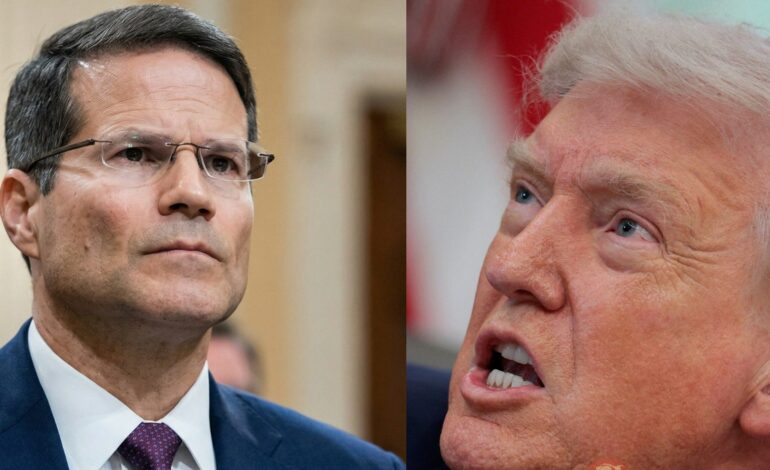
A recent exchange at the U.S. Supreme Court involving Neil Gorsuch and attorney John Sauer sparked intense online debate. The discussion centered on a key constitutional question:
Are Native Americans considered birthright citizens under current legal standards?
Clips of the moment spread widely. Some described it as embarrassing for the legal team defending policies tied to Donald Trump. But viral reactions often simplify complex legal exchanges.
This article breaks down what actually happened, explains the law in plain English, and answers the most common questions people are asking.
What Happened in the Supreme Court Exchange
During oral arguments, Justice Neil Gorsuch posed a hypothetical question about how a legal test—based on parental domicile—would apply to Native Americans.
The attorney, John Sauer, gave a hesitant answer. He referenced historical debates and statutes but appeared uncertain when pressed to apply the legal test consistently.
Why this stood out
- The Supreme Court often uses hypotheticals to test legal arguments
- Lawyers are expected to give clear, consistent answers
- Hesitation can signal unresolved legal tension—not necessarily incompetence
Some observers interpreted the exchange as a misstep. Others saw it as a reflection of the complexity of constitutional law.
The Core Legal Question Explained
At the heart of the discussion is this issue:
Does birthright citizenship apply universally to everyone born in the United States, including Native Americans, under constitutional interpretation alone?
This question ties directly to the 14th Amendment, which states:
- Anyone born in the U.S. and subject to its jurisdiction is a citizen
But historically, the phrase “subject to the jurisdiction” has been debated.
Are Native Americans Birthright Citizens?
Yes—today, Native Americans are U.S. citizens automatically.
However, the legal path to that status is important:
- Citizenship was not fully recognized under the 14th Amendment alone
- It was formally granted through federal law in 1924
The 14th Amendment and “Jurisdiction”
The 14th Amendment grants citizenship to people born in the U.S. who are subject to its jurisdiction. Historically, Native Americans were not always considered fully under U.S. jurisdiction due to tribal sovereignty.
Key concept
Native American tribes were historically treated as sovereign nations. That meant:
- Members owed primary allegiance to their tribes
- They were not automatically considered under full U.S. jurisdiction
This created a legal gray area.
The Indian Citizenship Act of 1924
To resolve that ambiguity, Congress passed a law:
What it did
- Granted U.S. citizenship to all Native Americans born in the U.S.
- Did not eliminate tribal sovereignty
Why it matters
This means:
- Native Americans are citizens by statute (law)
- Not solely by constitutional interpretation
Why the Question Still Matters Today
This isn’t just a historical issue. It connects to modern debates about:
- Immigration and birthright citizenship
- Constitutional interpretation
- Federal vs. tribal authority
Real-world impact
Legal tests used in one context (like immigration policy) must hold up across all cases—including edge cases like tribal citizenship.
That’s why the Court pushes attorneys with hypotheticals.
Expert Perspectives and Legal Analysis
Legal scholars often emphasize that:
- The Constitution and statutes work together, not separately
- Historical context matters in constitutional interpretation
Example insight
According to constitutional law experts:
- The 14th Amendment was never meant to override tribal sovereignty directly
- Congress stepped in to clarify citizenship through legislation
Common Misconceptions
❌ “Native Americans were never citizens until recently”
✔️ They have been citizens since 1924
❌ “They are only citizens because of the Constitution”
✔️ Citizenship was granted by Congress, not just the 14th Amendment
❌ “The Supreme Court was laughing at a lawyer”
✔️ Courtroom tone is often misinterpreted in viral clips
People Also Ask (FAQs)
Are Native Americans U.S. citizens today?
Yes. All Native Americans born in the U.S. are citizens under federal law.
What law granted Native Americans citizenship?
The Indian Citizenship Act of 1924.
Does tribal citizenship replace U.S. citizenship?
No. Native Americans can hold both.
Why were Native Americans excluded before 1924?
Because of tribal sovereignty and legal interpretations of jurisdiction.
Could birthright citizenship laws change?
It would require major legal or constitutional changes—unlikely without significant political and judicial shifts.