This Chubby Cat Tried to Hide From the Vet… But Ended Up Stuck Inside a Recliner What Firefighters Found Will Make You Laugh
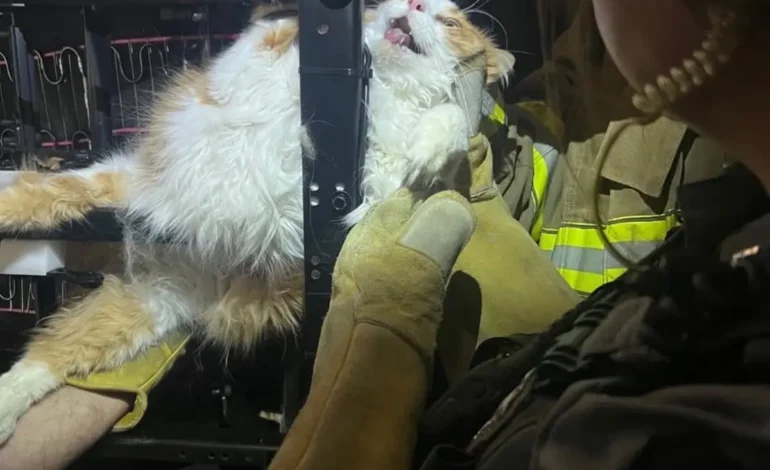

Kansas Firefighters Rescue Chubby Cat Trapped in Recliner
Introduction
Picture this. It’s vet day. Your cat knows it. You know it. And somehow, impossibly, your chunky tabby has vanished inside the living room recliner.
That’s exactly what happened in Kansas, where firefighters were called to rescue a famously chubby cat that had wedged itself deep inside a recliner — all in a desperate bid to avoid a trip to the vet. The story spread across the internet almost instantly, drawing equal parts laughter, sympathy, and the inevitable “my cat would do this” reactions.
But beyond the laughs, there’s real science here. Why do cats hide from vets? How does a cat get stuck inside a recliner? And what can you do to prevent your own furry escape artist from staging a similar protest? This article covers it all — with the full story, expert insight, and practical tips you won’t find anywhere else.
| Quick Answer
Kansas firefighters rescued a chubby cat that had hidden inside a recliner chair to avoid a vet visit. The cat became lodged inside the chair’s internal frame due to its size. Firefighters carefully disassembled part of the recliner to free the uninjured cat safely. The incident went viral in 2025. |
The Story at a Glance: What Happened in Kansas
It started as an ordinary morning. The cat’s owner had scheduled a routine vet appointment — a standard wellness check, nothing dramatic. But cats, as any owner will tell you, are rarely cooperative about these things.
The moment the carrier came out, the cat bolted. It squeezed through a gap in the back of a large recliner chair and disappeared inside the internal frame. The owner tried coaxing it out with treats, toys, and patience. None of it worked. The cat was in full protest mode.
Eventually, the cat got stuck. The gap it had used as an entry point was too narrow for its round, well-fed body to reverse out of. The owner, unable to free the cat without risking injury to the animal or the furniture, made the call — 911.
Kansas firefighters arrived on scene and assessed the situation. Using hand tools, they carefully disassembled part of the recliner’s frame and padding to create a safe exit route. The cat emerged, reportedly unimpressed but physically unharmed. The vet appointment, needless to say, was rescheduled.
Why Did the Cat Choose the Recliner?
Recliners are surprisingly appealing to cats as hiding spots. They offer darkness, enclosed space, the scent of their owner, and warmth from the surrounding foam. From a cat’s perspective, it’s basically a fortress.
The problem is that the internal mechanisms — springs, levers, wooden frames — create gaps that cats can squeeze into but struggle to exit, especially larger or heavier cats. It’s a one-way tunnel situation, and a chubby cat makes it worse.
Why Cats Hide from the Vet — The Science of Feline Fear
This isn’t just funny cat behaviour. It’s rooted in real feline psychology. Understanding why cats go into hiding mode can actually help you manage vet visits better.
Cats Are Hardwired to Hide When Stressed
Cats are both predators and prey animals. When threatened, their instinct isn’t always to fight or flee in the open — it’s often to disappear. Hiding is a coping mechanism that reduces exposure to perceived danger.
Vet visits trigger multiple stressors simultaneously: the carrier, car travel, unfamiliar smells (including other animals), strange sounds, and being handled by strangers. For a cat, this is a full-blown threat scenario.
The Carrier Effect
Studies in feline behaviour show that most cats associate the pet carrier with negative experiences. Unlike dogs, who may be taken out regularly, cats often only see the carrier on vet day. It becomes a visual cue for “something bad is about to happen.”
Veterinary professionals recommend leaving the carrier out as a regular piece of furniture — placing treats inside, letting the cat nap in it — to reduce this association. It takes weeks or months, but it genuinely works.
The Stress Hormone Response
When a cat perceives a threat, cortisol and adrenaline spike rapidly. Heart rate increases. Pupils dilate. Muscles prepare for action. In a domestic cat, this response can be triggered by something as simple as hearing a carrier buckle click.
Once a cat is in this state, it becomes remarkably resourceful. Gaps and hiding spots it might normally ignore suddenly become priority targets. The Kansas cat didn’t accidentally find the recliner gap. It sought it out deliberately.
How the Cat Got Trapped Inside the Recliner
This is the mechanics everyone wants to understand. How exactly does a cat get trapped inside a recliner?
Recliner Anatomy 101
Most recliners have a large gap between the base and the back or seat cushion area. Inside, you’ll find a wooden or metal frame, springs, and cables or levers for the reclining mechanism. There’s often a fabric liner between the outer upholstery and the inner workings.
Cats can puncture or push through this liner easily. Once inside, they’re surrounded by the mechanical components of the chair. It’s dark, warm, and enclosed — perfect hideout conditions.
Why Chubby Cats Get Stuck More Often
A lean cat can typically navigate tight spaces with relative ease. But a heavier, rounder cat — the lovable “chonk” variety — faces a different geometry problem. The same gap that allowed entry at speed, fuelled by adrenaline, suddenly seems much smaller when it’s time to reverse out calmly.
The Kansas cat reportedly weighed significantly more than average. Its body shape meant that while the initial squeeze was just barely possible, turning around inside the confined frame was not. It was essentially wedged in place.
The Recliner Mechanism Risk
There’s also a safety dimension here. Recliners with cats inside are genuinely dangerous. If a family member had sat down and activated the reclining mechanism without knowing the cat was inside, the results could have been catastrophic. The cables and levers involved create serious crush risks.
This is a real concern that vets and animal welfare organisations flag regularly. If you ever suspect your cat has gotten into your recliner, do not use it until the cat is accounted for.
The Firefighter Rescue: What Actually Happened
Kansas firefighters handle a wide range of calls — structure fires, vehicle accidents, medical emergencies. Animal rescues are a regular part of the job too, though usually involving outdoor situations like animals trapped in storm drains or up trees.
A cat inside a recliner was a new one, but the approach was methodical. The crew assessed the situation, identified the cat’s exact location within the chair, and determined the safest way to create an exit route without injuring the animal.
Tools Used and Approach Taken
Rather than forcing the cat out from the entry point — which could have caused injury — the firefighters chose to disassemble part of the recliner. They used hand tools to remove the outer fabric and gain access to the internal frame, then carefully widened the space until the cat could be guided out safely.
The whole operation reportedly took around 30–40 minutes. The cat, true to form, didn’t thank anyone for the effort. It simply walked away with the particular dignity only cats can muster in humiliating situations.
Were Firefighters Frustrated? Absolutely Not.
It might seem like a silly call for an emergency service. But firefighter crews are quick to point out that animal rescues — even unusual ones — are a genuine public service. Owners are often distressed. The animal can be in real danger. And in this case, there was the additional mechanical risk of the recliner itself.
The crew reportedly saw the humour in it too. Photos and a brief social media post from the fire department turned the story into a local and then national talking point.
The Chubby Cat Factor: Why Weight Made It Worse
Let’s talk about the elephant — or rather, the rotund tabby — in the room. Cat obesity is a genuine and growing health issue, and stories like this shine an amusing light on a serious problem.
Cat Obesity Statistics (2024–2025)
According to the Association for Pet Obesity Prevention, an estimated 61% of cats in the United States are classified as overweight or obese as of 2024. That means the majority of domestic cats are carrying more weight than is healthy for their joints, heart, and overall lifespan.
| Category | Statistic |
| Overweight/obese US cats | ~61% (2024) |
| Healthy weight range (avg. cat) | 8–10 lbs (3.6–4.5 kg) |
| Most common health risks | Diabetes, joint disease, heart conditions |
| Owners who underestimate their cat’s weight | ~45% (APOP surveys) |
The irony of the Kansas rescue is rich: the cat was hiding to avoid the vet, but it was precisely the kind of visit the vet might have flagged as important — a weight check, dietary advice, and a general health review.
Why Cats Gain Weight
Indoor cats are particularly prone to weight gain. They don’t hunt, they often graze freely from bowls left out all day, and they spend most of their time sleeping. High-calorie dry food, lack of portion control, and insufficient play are the main culprits.
A healthy cat should have a visible waist when viewed from above and ribs you can feel but not see. If your cat looks like a furry loaf from all angles, it’s time for a vet conversation — even if the cat disagrees.
People Also Ask: Your Top Questions Answered
Is it common for cats to get trapped in recliners?
More common than you’d think. Veterinarians and firefighters report furniture entrapments — especially recliners and sofa beds — with some regularity. The risk is highest with overweight cats and older furniture with looser internal liners.
What should I do if my cat is stuck in furniture?
Stay calm. Don’t force the cat — this can cause panic and worsen the situation. Try to coax it with treats or a familiar toy. If it’s truly stuck, don’t use the furniture and call for professional help. In a non-emergency, your vet or local animal control can often advise. In a genuine entrapment, don’t hesitate to call 911 — that’s exactly what firefighters are trained for.
Can a cat suffocate inside a recliner?
In theory, yes — though most recliner interiors have enough air circulation to prevent suffocation in the short term. The bigger risks are injury from mechanical components if the recliner is operated, dehydration and stress if the cat is stuck for a long time, and physical injury from the cat struggling to free itself.
How do I stop my cat from hiding on vet days?
Leave the carrier out year-round. Use calming sprays or pheromone diffusers (like Feliway). Consider a cat-friendly vet who uses low-stress handling techniques. Feed your cat its favourite treat inside the carrier regularly. The goal is to make the carrier feel safe, not threatening.
Do firefighters regularly rescue animals from furniture?
Animal rescues are a standard part of firefighter training. While furniture rescues are less common than outdoor scenarios, they do happen. Most departments treat them as legitimate emergencies, particularly when the animal is in physical distress or at risk of injury.
Preventing Future Furniture Fiascos
You love your cat. You’d like it to survive to its vet appointment. Here’s how to reduce the chances of a repeat recliner incident.
Recliner Safety Tips for Cat Owners
- Always check under and inside your recliner before operating it
- Consider blocking access to the underside of the chair with fabric or a fitted cover
- Repair any tears in the internal lining promptly — cats find these gaps quickly
- Before vet day, confine your cat to one room without recliner access
- If you have a very chubby cat, be extra vigilant — they can get stuck in gaps lean cats would navigate freely
Vet Day Preparation Strategies
Experienced cat owners have developed a range of tactics to make vet day less of a battle. Here are the most effective:
- Get the carrier out 2–3 days before the appointment, not the morning of
- Put a piece of your clothing inside the carrier — your scent is calming
- Don’t feed your cat the morning of the visit (check with your vet first) — a slightly hungry cat is more motivated by treat-based cooperation
- Cover the carrier with a towel on the way to the vet to reduce visual stimulation
- Ask your vet about prescription anxiety medication for cats with severe vet phobia
What This Story Teaches Us About Cats and Stress
The Kansas cat’s recliner adventure is funny. But it’s also a useful window into how cats experience stress — and how we can do better as owners.
Cats don’t have the same emotional vocabulary we do. They can’t tell us they’re anxious, scared, or overwhelmed. They act it out instead. Hiding, freezing, scratching, hissing, overgrooming — these are all stress signals. A cat that consistently hides on vet day isn’t being dramatic. It’s genuinely distressed.
Low-stress veterinary care is a growing movement within the profession. Clinics that use quiet waiting areas, separate dog and cat zones, pheromone diffusers, and gentle handling techniques report significantly better outcomes and less trauma for both animals and owners.
If your cat has a particularly difficult time at the vet, it’s worth asking your clinic whether they follow Fear Free or Cat Friendly Practice guidelines. These programmes exist specifically to make vet visits less terrifying for cats — and fewer cats end up wedged inside furniture as a result.
The Internet’s Response: Why This Story Resonated
Stories like this go viral for a reason. They’re funny, relatable, and oddly wholesome. Almost every cat owner has a story of their pet staging some kind of elaborate vet-day protest. The Kansas cat simply took it further than most.
There’s also something deeply comforting about a fire department showing up not for a blaze, but for a stuck, chubby cat. It reminds us that community services exist to help, and that the people doing those jobs often bring genuine warmth and humour to even the most absurd situations.
Key Takeaways
Summary: What You Learned Today
|
What Should You Do Next?
If this story made you laugh and then immediately look at your own cat suspiciously — good. That’s the right instinct. Here’s what to do:
- Book that overdue vet appointment. Yes, even if your cat hates it.
- Walk around your home and identify any furniture gaps your cat could disappear into.
- Leave the carrier out this week. Put a treat in it. Start the process.
- If your cat is on the chunkier side, ask your vet about a healthy weight plan.
- Follow your local fire department on social media — these stories are always gold.
The Kansas cat eventually made it to the vet. Reportedly, it was not pleased about any of it — the rescue, the recliner destruction, or the weigh-in that followed. But it went. And it was fine. Your cat will be too.
Discover more from MatterDigest
Subscribe to get the latest posts sent to your email.