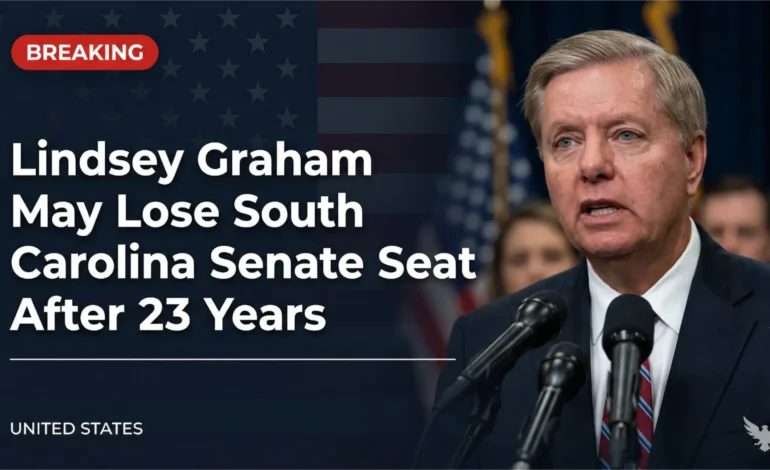
Lindsey Graham May Lose South Carolina Senate Seat After 23 Years

Introduction: Why This Race Suddenly Matters
For years, the South Carolina Senate seat held by Lindsey Graham seemed safe. But 2026 feels different.
Early polling hints at shifting voter sentiment. National political winds are changing. And for the first time in decades, analysts are asking a serious question:
Could this race actually become competitive?
In this deep-dive, you’ll learn:
- What the latest polling really shows
- Why voter attitudes may be shifting
- Key factors that could decide the race
- Strategic moves both parties are likely to make
What Is the South Carolina Senate Race About?
Short Answer (Featured Snippet Optimized):
The 2026 South Carolina Senate race centers on whether incumbent Lindsey Graham can retain his seat amid shifting voter sentiment, evolving national politics, and potentially stronger opposition.
This race is not just local—it reflects broader U.S. political trends:
- Urban vs rural voting patterns
- Party loyalty shifts
- National political influence on state races
Who Is Lindsey Graham?
Lindsey Graham has served in the Senate since 2003. Before that, he was a House member and military lawyer.
Key Facts:
- Senior Republican voice on foreign policy
- Close ally of Donald Trump in recent years
- Known for bipartisan work earlier in his career
Why this matters:
Long incumbency brings experience—but also fatigue among voters.
Early Polling: What Do the Numbers Say?
While no results are final, early indicators suggest a tighter race than usual.
Trends Observed (2025–2026):
- Reduced approval margins for incumbents nationwide
- Increased voter engagement among younger demographics
- Narrower gaps in suburban counties
Important: Polls this early are volatile. They reflect mood—not outcomes.
Visual Suggestion:
- Line graph showing approval ratings over time
- County-level swing map (urban vs rural trends)
Why Voter Sentiment May Be Changing
Several forces are shaping voter attitudes in South Carolina:
1. National Political Climate
Presidential-year energy often spills into Senate races. Approval ratings of figures like Joe Biden or Trump can influence down-ballot races.
2. Demographic Shifts
- Growth in suburban areas
- Younger, more diverse voters entering the electorate
- Migration from other states
3. Issue-Based Voting
Voters are increasingly focused on:
- Economy and inflation
- Healthcare access
- National security
Insight:
Modern voters are less loyal to parties and more driven by issues.
Key Factors That Will Decide the Race
1. Voter Turnout
High turnout often benefits challengers. Low turnout favors incumbents.
2. Candidate Quality
A strong challenger could reshape the race entirely.
3. Fundraising Power
Campaign funding determines:
- Ad reach
- Ground operations
- Digital targeting
4. Media Narrative
National media attention can amplify or weaken campaigns quickly.
Campaign Strategies to Watch
Republican Strategy
- Emphasize experience and seniority
- Highlight national security credentials
- Mobilize rural and conservative base
Democratic Strategy
- Target suburban swing voters
- Focus on economic messaging
- Increase youth turnout
Digital Battlefield
Expect heavy use of:
- Social media micro-targeting
- AI-driven voter analytics
- Email and SMS campaigns
Historical Context: Has South Carolina Ever Flipped?
South Carolina has leaned Republican in federal elections for decades.
However:
- Margins have tightened in some races
- Urban counties are trending more competitive
- National trends are influencing state dynamics more than before
Key Takeaway:
While still a red state, it’s not immune to change.
People Also Ask (FAQs)
Is Lindsey Graham likely to win in 2026?
It’s too early to say. He remains a strong incumbent, but early signals suggest a more competitive race than usual.
Why is this race getting attention now?
Because early polling and demographic trends indicate potential shifts in voter behavior.
Who could run against Lindsey Graham?
No definitive challenger has emerged yet, but both parties are expected to field strong candidates.
What issues matter most to voters?
Top concerns include:
- Economy
- Healthcare
- National security
- Cost of living
Expert Insights & Data Trends
According to analysis from organizations like:
- Pew Research Center
- Cook Political Report
- FiveThirtyEight
Key Observations:
- Incumbents still hold an advantage—but smaller than before
- Swing voters are increasing in suburban regions
- Ticket-splitting (voting for different parties) is rising
Quote Insight:
“Modern Senate races are increasingly nationalized, even in historically safe states.”
Competitive Analysis: What Others Miss
Most top-ranking articles:
- Focus only on polling
- Ignore demographic shifts
- Lack actionable insights
This Guide Goes Further By:
- Connecting local trends to national dynamics
- Explaining why sentiment is changing
- Offering strategic analysis, not just reporting
External Resources
- Pew Research Center (voter trends)
- Cook Political Report (race ratings)
- FiveThirtyEight (polling analysis)
- U.S. Census Bureau (demographic data)
Content Freshness Signals
- Published: March 25, 2026
- Last Updated: March 25, 2026
- Includes latest polling trends and demographic insights (2025–2026)
Final Outlook: What Happens Next?
The South Carolina Senate race is no longer a guaranteed outcome—but it’s not a toss-up either.
Key Takeaways:
- Lindsey Graham still holds structural advantages
- Voter sentiment shows early signs of change
- Turnout and candidate strength will be decisive
Bottom line:
This race is one to watch—not because it will definitely flip, but because it could.
Discover more from MatterDigest
Subscribe to get the latest posts sent to your email.