United Airlines Just Revealed Economy Seats That Turn Into Beds — You Won’t Believe the Price!
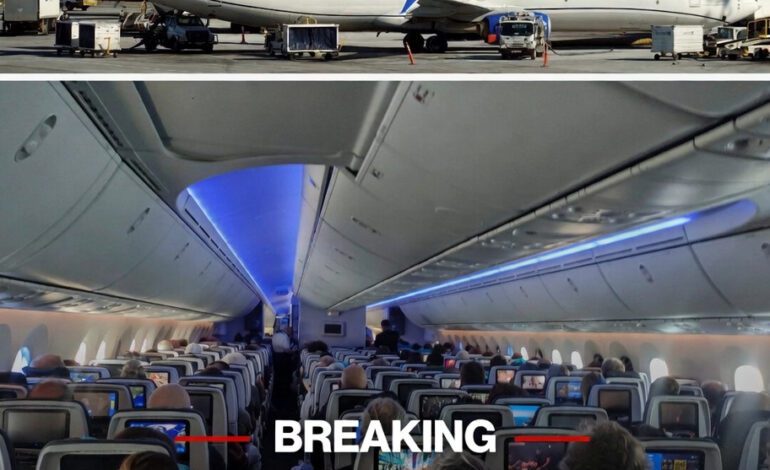

Airlines Shift Toward Premium Cabins as United Expands Luxury Seating and Reduces Standard Economy
Air travel is going through a noticeable change. For many years, airlines focused on packing as many seats as possible into the cabin to keep ticket prices low and profits steady. Today, that strategy is starting to shift. Major airlines are investing heavily in premium seating, offering travelers more space, privacy, and comfort. But the change also means that standard economy seats may become harder to find and more expensive.
One of the clearest examples of this trend is the latest cabin plan introduced by United Airlines. The airline recently revealed a major redesign that will place a greater focus on premium travel experiences. While the main cabin will still exist, the number of higher-end seats will increase significantly across many aircraft.
Industry experts say the move reflects a major change in how airlines earn money. Instead of relying mostly on low-cost economy tickets, airlines are discovering that premium cabins generate much higher profits per passenger. Because of that, carriers are redesigning aircraft interiors to give more space to those seats—even if it means reducing the number of standard seats available.
United Airlines plans to introduce these new cabin layouts across hundreds of aircraft over the next few years. The airline has already placed large orders for new planes that will feature the updated design from the start. By the end of the decade, travelers may see the new seating arrangement on many domestic and international routes.
One major part of the plan involves expanding premium economy seating. Premium economy sits between business class and regular coach, offering wider seats, more legroom, and better service. For many travelers, it provides a balance between comfort and affordability.
Under the new configuration, aircraft will include a dedicated section of premium economy seats positioned near the front of the main cabin. These seats will offer additional space for passengers’ legs and shoulders, making long flights more comfortable. Airlines believe this category will continue to grow in popularity as travelers seek better comfort without paying the highest prices.
Another part of the redesign focuses on extra-legroom seats within the main cabin. These seats are still technically part of economy class, but they offer additional space compared with standard rows. Passengers often pay an extra fee for these seats, especially on longer flights where legroom becomes more important.
In the new aircraft layout, dozens of these extra-legroom seats will be added. They will be spread throughout the cabin but placed in areas where passengers can enjoy quicker boarding or easier exit from the plane.
Airlines have discovered that even small upgrades like extra inches of legroom can generate meaningful revenue. Travelers who value comfort are often willing to pay more for small improvements during a multi-hour flight.
The most luxurious part of the new design is the business-class cabin. These seats are designed to transform into fully flat beds, allowing passengers to sleep comfortably during long journeys. Each seat will have direct aisle access, which means passengers will not have to climb over someone else to leave their seat.
These premium seats are designed almost like small private spaces. Some include partial dividers or shells that give travelers more privacy during the flight. Airlines are also investing in better bedding, improved entertainment systems, and upgraded food service.
Passengers traveling in these cabins may receive high-end blankets, skincare products, noise-canceling headphones, and other amenities designed to make the flight feel more like a luxury hotel experience than a traditional airplane trip.
The push toward premium cabins also reflects changes in traveler behavior. After the global pandemic disrupted travel, many airlines noticed that passengers were more willing to spend money on comfort when they did travel.
Instead of taking many short trips, some travelers now choose fewer journeys but spend more on each one. Business travelers, in particular, continue to prefer premium cabins because they can rest during long flights and arrive ready for meetings.
Leisure travelers are also contributing to the trend. Special occasions such as honeymoons, family vacations, and milestone celebrations often encourage passengers to upgrade their seats for a more memorable experience.
To support the new cabin layout, the airline is introducing new aircraft designed specifically for long-distance domestic flights. These planes will include advanced fuel-efficient engines and updated cabin technology.
Passengers will notice improved lighting systems designed to reduce jet lag. Modern air filtration systems will also help maintain better cabin air quality during flights.
Another interesting addition is a small self-serve snack area located near the back of the plane. This feature allows passengers to grab drinks or light snacks during the flight without waiting for cabin service. While the snack station adds convenience, it also takes up space that would otherwise be used for additional seats.
Because space inside an aircraft is limited, adding premium features often means removing some standard seats. In the updated layout, several rows of regular economy seating will be replaced by premium sections or other cabin features.
That change could make basic economy tickets slightly harder to find, especially on flights where premium demand is high. As supply becomes more limited, prices for standard seats could gradually increase.
Airlines argue that the overall passenger experience will still improve, even for travelers sitting in the main cabin. Many new aircraft include larger overhead bins, improved seat-back screens, and stronger Wi-Fi connections for all passengers.
The shift toward premium seating is not happening in isolation. Many airlines across the industry are making similar changes. Over the past decade, carriers around the world have redesigned cabins to offer more comfort in higher-priced sections.
Competition between airlines has pushed companies to invest in better seats and services. Luxury features such as sliding privacy doors, large entertainment screens, and restaurant-style meals are becoming more common.
Even smaller improvements—such as better lighting, quieter cabins, and upgraded upholstery—can make a flight feel more comfortable. These upgrades help airlines attract travelers who are willing to pay higher fares.
At the same time, airlines must balance comfort with profitability. Aircraft cabins are carefully designed to maximize revenue while maintaining safety and efficiency.
Each seat on an airplane represents potential income for the airline. When a carrier replaces several economy seats with fewer premium seats, it must be confident that the higher ticket prices will make up the difference.
So far, the strategy appears to be working. Airlines report that demand for premium cabins continues to grow faster than demand for basic economy tickets.
Another factor driving the shift toward premium seating is competition with alternative travel options. High-speed rail networks in some regions offer comfortable seating and spacious cabins, which can make flying feel cramped by comparison.
To remain competitive, airlines want to create cabins that feel more comfortable and modern. Spacious seating, improved entertainment, and better food service help airlines stand out in a crowded travel market.
For passengers, this competition can lead to better overall travel experiences. Even travelers who choose standard seats may benefit from improved aircraft design and new onboard technology.
Of course, the new focus on premium seating also raises concerns about affordability. Some travelers worry that fewer economy seats will lead to higher prices for basic tickets.
Airlines argue that they still offer a wide range of fare options. Budget travelers can choose basic economy tickets with fewer extras, while those who want more comfort can upgrade to premium seats.
The goal, according to industry leaders, is to give passengers more choices rather than removing affordable options entirely.
The airline industry has always evolved alongside technology and customer demand. Decades ago, flying was considered a luxury experience with spacious seating and full meals for every passenger.
Later, the rise of low-cost carriers pushed airlines to pack more seats into cabins to keep prices competitive. Today’s shift toward premium cabins may represent another turning point in the history of air travel.
Instead of focusing purely on volume, airlines are discovering that comfort and experience can drive higher revenue and stronger customer loyalty.
For travelers planning future trips, these changes may gradually reshape the flying experience. Passengers may notice more premium seating options when booking flights and a wider range of fare categories.
While economy seating will likely remain available, it may occupy a smaller portion of the cabin than in previous decades.
As airlines continue to invest in new aircraft and cabin designs, the overall look and feel of air travel may become more diverse—with luxury suites at the front, upgraded premium sections in the middle, and streamlined economy seating toward the back.
Ultimately, the success of this strategy will depend on how travelers respond. If passengers continue choosing premium upgrades, airlines will likely keep expanding these sections in future aircraft.
For now, one thing is clear: the competition to offer the most comfortable and appealing flight experience is stronger than ever. Airlines are betting that passengers are willing to pay more for space, comfort, and convenience in the sky.
Whether this shift benefits all travelers equally remains to be seen. But the transformation of airline cabins is already underway, and the next generation of aircraft may look very different from the planes many passengers remember.
Discover more from MatterDigest
Subscribe to get the latest posts sent to your email.