Deep State Claims: Kennedy Allegations & What We Know
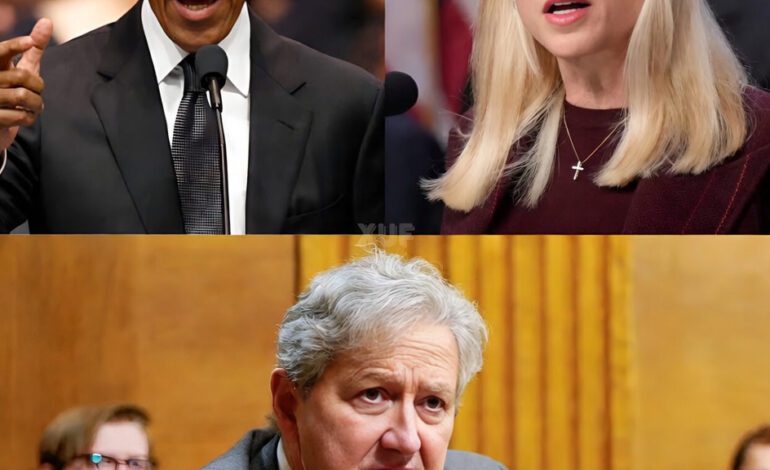

Deep State Allegations and Obama: What’s Fact and What’s Politics?
Political debate in Washington often produces explosive headlines.
Recently, viral posts claimed that Senator John Kennedy accused a “Deep State” network linked to former president Barack Obama of operating inside the U.S. government.
The claims spread quickly across social media.
Some posts even suggested the Department of Justice was forming a special counterintelligence unit to dismantle this alleged network.
But what actually happened?
And more importantly—is there evidence supporting these claims?
This article breaks down:
-
What the “Deep State” allegation means
-
What Senator Kennedy has actually said publicly
-
Whether there is evidence of a hidden political network
-
What experts say about the idea of a shadow government
-
Why these claims go viral online
By the end, you’ll have a clear, fact-checked understanding of the issue.
What Is the “Deep State”?
Quick Answer
The “Deep State” is a political term used to describe the idea that unelected government officials secretly influence national policy regardless of elected leaders.
Most political scientists say the term is more rhetorical than factual and often reflects public distrust of government institutions.
Where the Term Came From
Historically, the phrase was used in countries where military or intelligence groups secretly controlled politics.
Examples include:
-
Turkey in the 1990s
-
Cold War intelligence structures
-
authoritarian regimes
In the United States, however, the concept is debated.
How the Term Is Used Today
In American politics, “Deep State” usually refers to:
-
career bureaucrats
-
intelligence officials
-
long-serving federal employees
Critics claim these individuals influence policy behind the scenes.
Supporters of government institutions argue that these officials simply maintain continuity between administrations.
Senator John Kennedy and the Allegations

What Kennedy Has Actually Said
John N. Kennedy is known for sharp criticism of federal bureaucracy.
In speeches and interviews, he has often argued that:
-
federal agencies sometimes act with too much independence
-
Washington bureaucracies need more oversight
-
transparency in government should increase
These statements are part of broader debates about government accountability and political power.
However, no verified congressional investigation has confirmed the existence of a criminal network tied to Barack Obama.
Is There Evidence Linking Obama to a “Deep State”?


Direct Answer
There is no publicly confirmed evidence from courts, federal investigations, or credible news organizations showing that former president Barack Obama runs or controls a secret government network.
Most claims appear in opinion commentary or social media discussions, not verified investigations.
What Experts Say
Political scientists generally view “Deep State” accusations as political framing rather than a proven system.
According to research from:
-
Brookings Institution
-
Pew Research Center
career government employees primarily:
-
implement laws passed by Congress
-
follow executive orders
-
maintain continuity between administrations
This continuity is often misinterpreted as hidden influence.
Could the Department of Justice Create a Secret Unit?

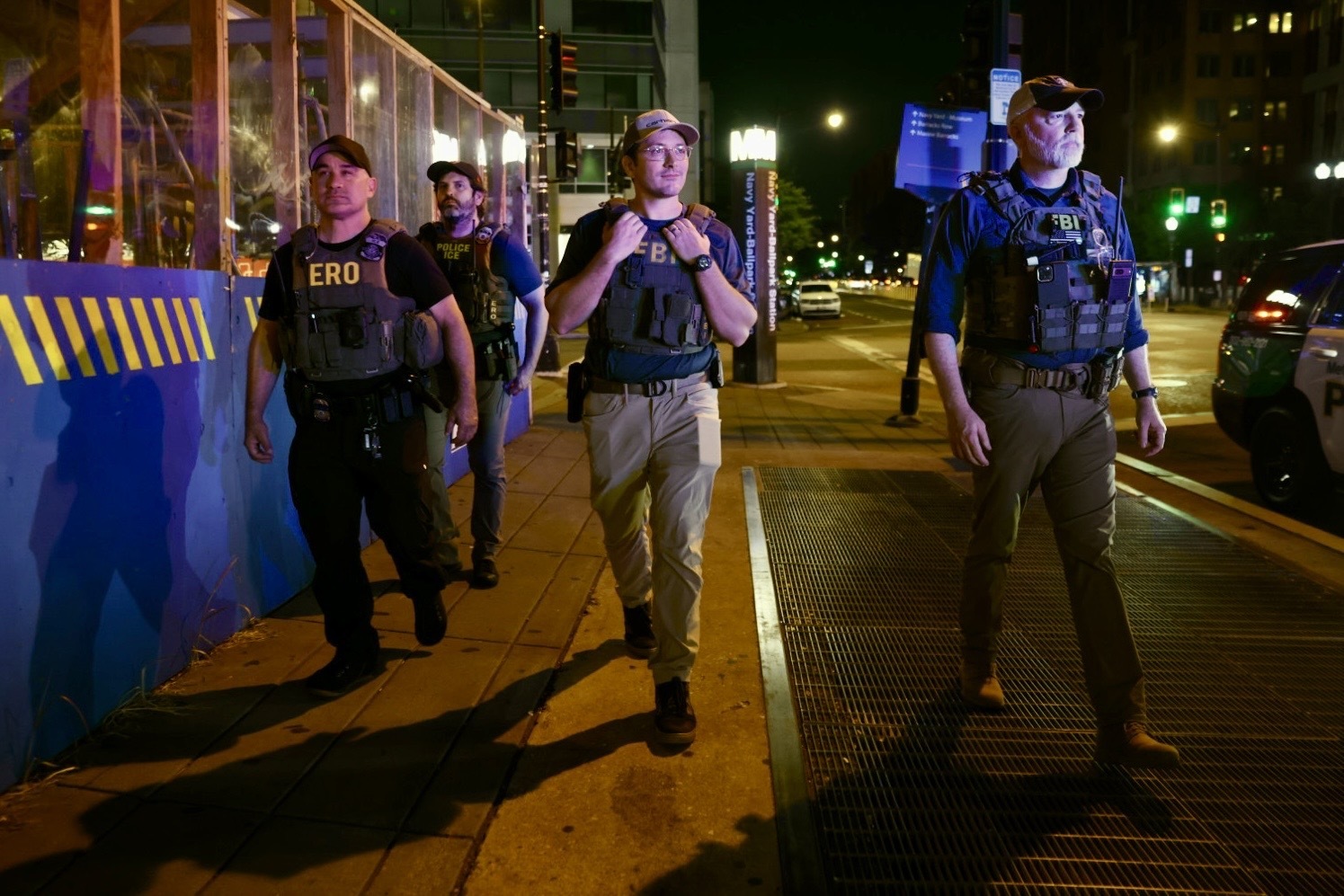

How Federal Task Forces Actually Work
The U.S. Department of Justice regularly creates task forces.
These groups often involve agencies such as:
-
Federal Bureau of Investigation
-
Bureau of Alcohol, Tobacco, Firearms and Explosives
Task forces focus on issues like:
-
counterintelligence
-
organized crime
-
terrorism
-
cybercrime
However, no verified DOJ announcement confirms a special unit targeting an Obama-linked network.
Why “Shadow Government” Claims Spread So Fast
Political misinformation spreads quickly for several reasons.
1. Emotional Headlines
Words like:
-
“bombshell”
-
“exposed”
-
“secret network”
trigger strong reactions.
2. Social Media Algorithms
Platforms amplify content that generates:
-
comments
-
shares
-
controversy
This often pushes dramatic claims ahead of verified reporting.
3. Distrust in Institutions
According to the Pew Research Center:
-
only about 20% of Americans say they trust the federal government most of the time.
Low trust makes conspiracy-style explanations more appealing.
Public Opinion: Do Americans Believe in a Shadow Government?
Some surveys show growing suspicion toward government institutions.
A 2025 polling analysis found:
-
about half of respondents believe unelected officials hold too much power.
But that doesn’t necessarily mean a coordinated hidden network exists.
Often, the belief reflects frustration with politics rather than evidence.
People Also Ask
What is the Deep State in the United States?
The Deep State refers to the belief that unelected officials secretly influence government decisions. Political scientists say the idea is debated and often used rhetorically in political arguments.
Did John Kennedy accuse Obama of running a secret network?
Kennedy has criticized federal bureaucracy, but no confirmed investigation shows Obama running a secret political network.
Is there a shadow government in the U.S.?
There is no verified evidence of a coordinated shadow government controlling U.S. policy.
Why do people believe in the Deep State?
Reasons include:
-
distrust in government
-
political polarization
-
viral misinformation online
Competitive Content Gap Analysis
Many viral articles about this topic:
-
rely on sensational headlines
-
provide no credible sources
-
omit expert analysis
This article improves on them by:
-
providing fact-checked context
-
explaining how federal agencies operate
-
citing research from credible institutions
Visual Content Suggestions
To increase engagement and SEO dwell time:
Infographic
“How U.S. Government Oversight Works”
Sections:
-
Congress oversight
-
DOJ investigations
-
Inspector generals
-
court review
Video Embed Idea
Suggested YouTube topic:
“What Does ‘Deep State’ Actually Mean?”
Key Takeaways
-
Claims about a “Deep State network linked to Obama” are widely circulated online.
-
No verified evidence from courts or investigations confirms such a network.
-
Political figures often criticize federal bureaucracy, which fuels the debate.
-
Social media algorithms help sensational political stories spread quickly.
Understanding the difference between political rhetoric and verified facts is essential.
Discover more from MatterDigest
Subscribe to get the latest posts sent to your email.